DIY Renovation of an Abandoned 120-Year-Old Main Street Building

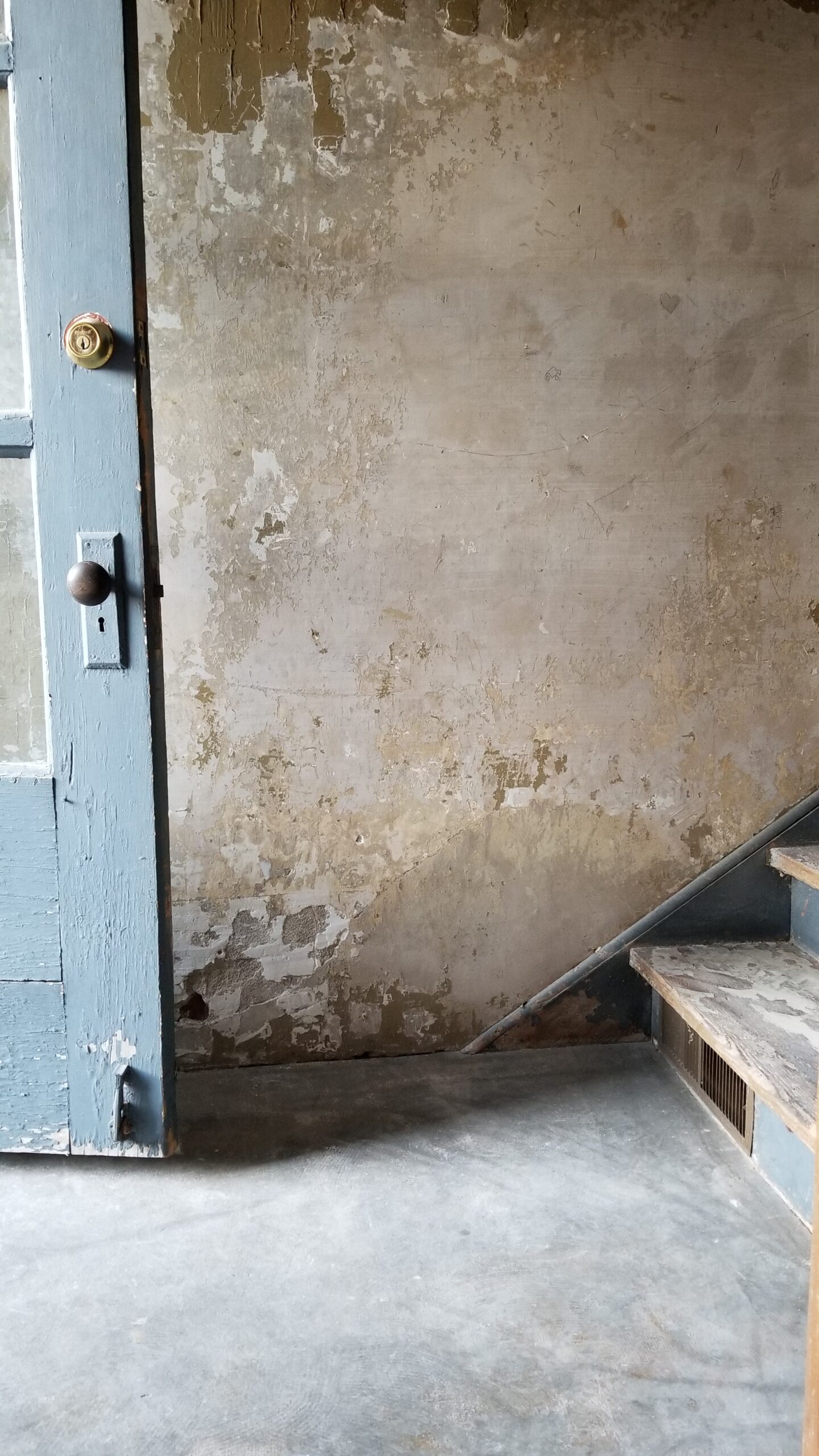
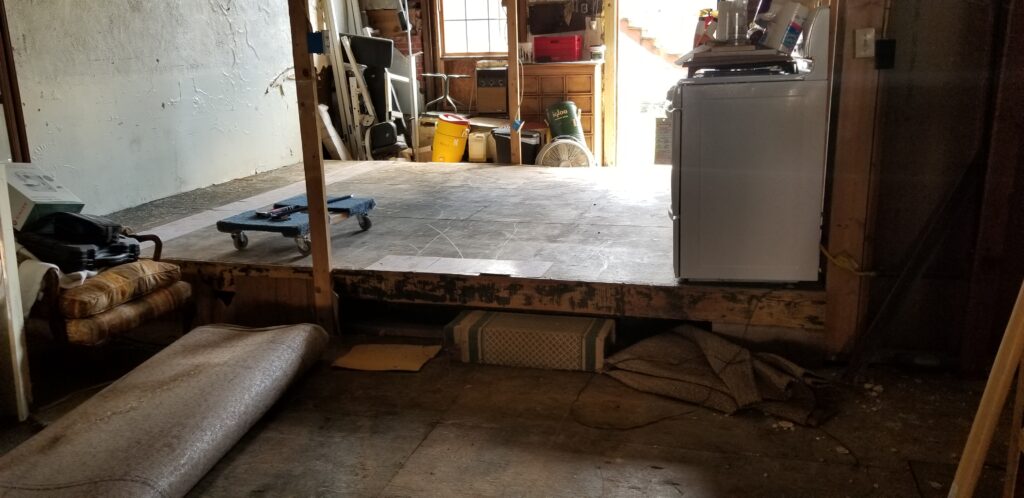
Walking into this building for the first time was equal parts exciting and terrifying. It had been abandoned for years before the owners bought it. The floors were falling in, the ceiling tins were hanging down and rusted through, and the windows were all boarded. I could barely imagine it as a home. But slowly, step by step, project by project, we are bringing this 120-year-old abandoned Main Street building back to life.
We have been framing rooms, installing subfloor upstairs, uncovering antique brick walls, restoring the tin ceiling, and even bringing in European windows. Every corner tells a story of history, care, and a lot of work. In this post I am sharing what we have been working on so far, lessons we have learned, and a peek at our progress as we turn this old building into a home full of life again.

If you are new here, I hope you enjoy the following content about our renovation journey! Make sure to check out some of the videos I have posted towards the end of this post.
Subflooring Upstairs
Upstairs the old floors had seen better days. Installing new subflooring was dusty and sometimes exhausting, but it was an important step in creating solid bedrooms and cozy spaces for our home. It feels good knowing this building now has a strong foundation.

Exposing Antique Brick Walls
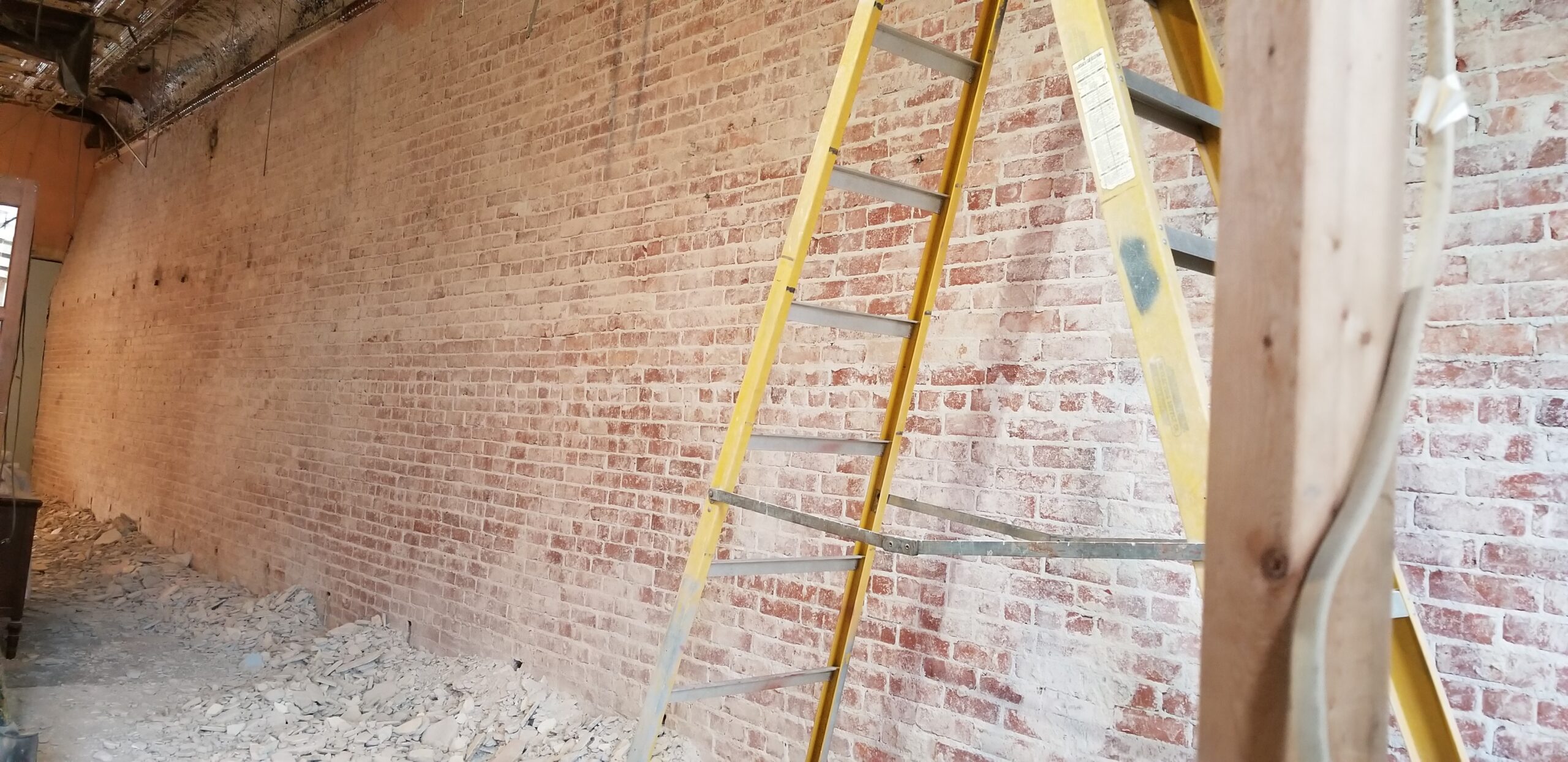
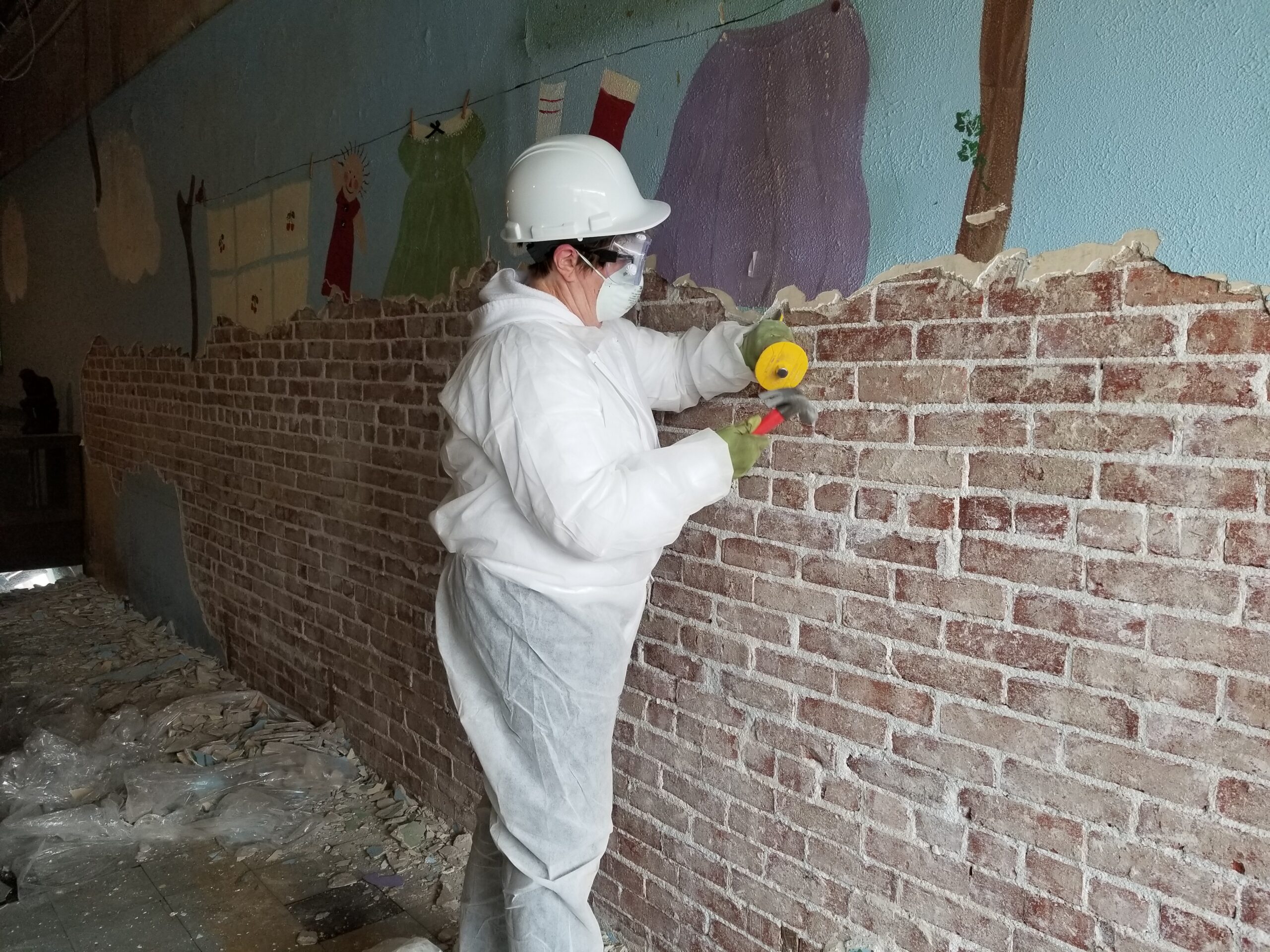
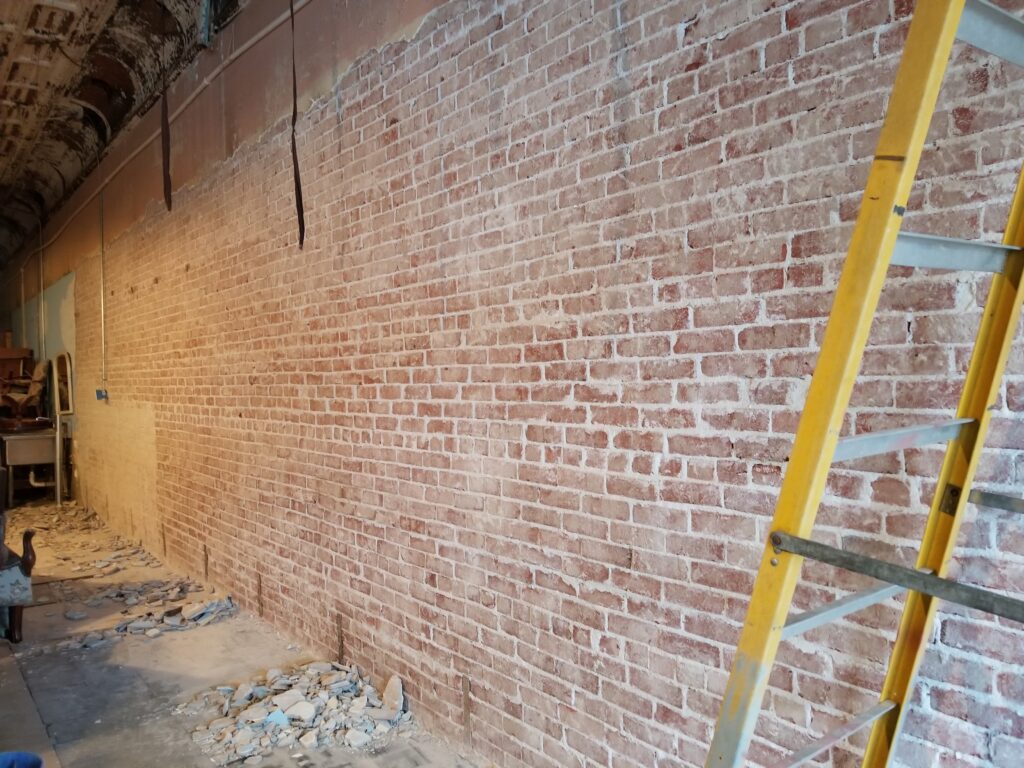
One of my favorite parts has been uncovering the antique brick walls. Slowly revealing the brick beneath layers of paint and plaster shows the history and charm of this building. No new material could ever match the character it brings.
Restoring the Tin Ceiling
The tin ceiling was another big project. Scraping, patching, and painting it took time, but it transformed the room. The ceiling adds drama, texture, and a sense of history that feels like the heart of this place.

Importing European Windows
Installing European windows has been exciting and a little tricky. Each window had to be measured, shipped, and placed carefully. Now the rooms are filled with light, and the windows fit like they were always meant to be here. This post covers about how we selected and imported our windows from Poland to the United States.

Lessons We’ve Learned
Working on an abandoned building teaches you patience and flexibility. Some things take longer than expected, and the work can be messy and dusty. A few lessons so far:
- Progress feels slow sometimes (VERY slow sometimes), but every small step counts
- Old buildings are full of surprises, so you have to adapt
- Preserving original details adds more beauty than replacing them
- Each day of work is bringing the building closer to home
What’s Next in Our Historic Renovation
The next big step in our historic building renovation is installing the European-style windows we’ve been carefully sourcing. After months of planning and import prep, we’re finally ready to see these beautiful pieces in place, letting in the perfect light while keeping the character of the building intact.
Beyond the windows, I’m excited to share our journey with vintage doors throughout the building. Each door has its own story, including where we found it on Facebook Marketplace or at local antique stores, and how we plan to restore it and incorporate it into each room. These unique architectural features bring charm and history to every corner, and I’ll be sharing a dedicated post soon showing each door and our restoration plans.
Other upcoming topics include highlighting the architectural details that make this building so special. Eventually, I might even document the process of building the storefront. There is always something new to explore, and I love giving readers a peek behind the scenes as our renovation unfolds.
FAQ: Renovating a Historic Building
1. What has been the most challenging project to date?
Physically, exposing the brick wall downstairs was the hardest task. It took several weeks of chiseling by hand, and my wrists were sore for months afterward. While grueling, it preserved the integrity of the brick and created one of the most stunning features of the storefront.
2. How do you source vintage doors?
I have carefully curated pieces over more than a decade, including finds from Facebook Marketplace, local antique shops, and our Habitat for Humanity ReStore. Each item is chosen for its character and potential to fit seamlessly into our renovation.
3. What tips do you have for restoring or repurposing architectural features?
Always test for lead and asbestos before starting. Research thoroughly, especially with delicate materials like old brick. Power tools might be faster, but they can damage historic materials. For example, hand-chiseling the brick preserved the fire coating and prevented gouges. Consult an engineer for structural advice if you are adding insulation or modifying walls to avoid moisture issues or weakening the structure.
4. How long does it take to renovate a historic building?
There is no set timeline. It depends on your budget, whether you are hiring help or doing it yourself, and how much time you can dedicate. We are taking a gradual, debt-free approach, which means it may take a few years, but we are prioritizing quality and preservation over speed.
5. Do you need special permits?
Usually, yes. Permit requirements vary depending on city codes and whether your building is on a historic registry. Always check with local authorities before starting work, because skipping permits can result in fines or having to undo completed work.
Video Updates
Even though we do not have long-form videos for everything yet, in this video, I have captured short clips of some projects. Watch as I share a little of the story of how we began this journey and little glimpses of our renovation over the years.
Closing
Restoring an abandoned 120-year-old building takes time and effort. It can feel overwhelming, but it is also incredibly rewarding. Seeing this building come back to life has been worth every dusty, sweaty moment.
I will be sharing more detailed posts soon, like framing deep dives, window installation, and other big projects. Make sure to follow along so you can see the journey from start to finish.
Thank you for being here, friend.
XO, Bri
More Renovation & Homestead DIY Inspiration
If you love following our journey restoring a historical building and creating a cozy homestead, you’ll enjoy these DIY projects and renovation updates too.

More Renovation Moments at the Manor
Take a peek behind the scenes at the manor with these quick videos, little glimpses of our renovation projects, DIY finds, and homestead moments.
Let’s Stay Connected!
If you love following along with our historic building renovation and want to see more behind-the-scenes moments, tips, and updates from our Main Street transformation, come join me on my other platforms. I share progress snapshots, sneak peeks, and the little everyday victories that make this project so special!