Spring Chicken Care Basics: How to Transition Your Flock from Winter to Spring

Spring always feels like a fresh start around the homestead. The days get longer, the air feels lighter, and even the chickens seem a little more curious and lively again. After months of cold weather and shorter days, spring is the perfect time to reset your flock and set them up for a healthy, productive season.
If you are wondering how to transition your chickens from winter to spring care, this simple checklist will walk you through exactly what to focus on so your flock stays happy, healthy, and laying strong.
This post contains affiliate links. I may earn a small commission from qualifying purchases at no extra cost to you.
Why Spring Chicken Care Matters
Spring is one of the most important seasons for backyard chicken care. Warmer temperatures, increased daylight, and higher humidity can bring both good changes and new challenges.
This is when many chicken keepers notice:
- Increased egg production
- Molting finishing up
- Parasites becoming active again
- More mess inside the coop
A little spring maintenance now can prevent health problems later in the year and make the rest of your chicken season much easier.
1. Do a Full Spring Health Check
Start by giving each chicken a quick health inspection.
Look for:
- Clear eyes and nostrils
- Smooth combs and wattles
- No bald patches or irritated skin
- Clean vent area
This is also a great time to check for mites and lice, which tend to show up as temperatures rise. Look closely under wings and around the vent for tiny moving specks or flaky skin.
If you catch issues early, they are much easier to treat before they spread through the flock.

2. Deep Clean the Coop
Spring is the best time for a full coop clean out.
Remove all old bedding and nesting material. Scrub down roost bars, nesting boxes, and corners where moisture and droppings build up.
This helps:
- Reduce odors
- Prevent parasites
- Improve air quality inside the coop
Once everything is dry, add fresh bedding like pine shavings, straw, or hemp. I also love tossing in a handful of dried herbs like lavender or mint for a natural fresh scent.

Upgrade Your Coop Supplies
Over the years, I have found a few simple coop tools and treats that make spring chicken care so much easier. These are some of the exact items I use in my own coop every season.

3. Adjust Feeding for Spring Egg Production
As daylight increases, your hens will naturally start laying more eggs. Their bodies need extra nutrients to support this.
Make sure you are:
- Feeding a quality layer feed
- Offering free choice oyster shell for calcium
- Providing grit for digestion
You can also start adding fresh spring treats like chopped greens, weeds, and garden trimmings. Just keep treats limited so they still eat their main feed.

4. Let Them Forage Safely
One of the best parts of spring is watching chickens forage again.
As grass and bugs return, your flock will love exploring and scratching. This provides:
- Natural enrichment
- Better egg yolk color
- Fewer feed costs
Just be sure your yard is free from toxic plants and chemicals. Avoid letting them forage in freshly treated lawns or garden beds.

5. Check Your Fencing and Predator Protection
Spring is also when predators become more active.
Walk around your coop and run and look for:
- Holes in fencing
- Loose boards
- Weak latches
Raccoons, foxes, hawks, and even snakes become more common this time of year. A quick inspection now can save you from heartbreak later.

6. Prepare for New Chicks
Spring is prime chick season.
Even if you are not adding to your flock, it is smart to:
- Clean and store your brooder supplies
- Check heat lamps or heating plates
- Stock chick starter feed
And if you are getting new chicks, keep them completely separate from your adult flock for several weeks to prevent disease and stress.

For a complete guide on how to prepare and raise your new baby chicks, check out this post.
7. Refresh Nesting Boxes
Old nesting material can hold bacteria and mites.
Replace nesting bedding and make sure boxes are:
- Dry
- Dark
- Comfortable
This encourages hens to lay consistently and keeps eggs cleaner.

Natural Ways to Support Your Flock in Spring
Spring is a great time to lean into more natural chicken care. As the weather warms and your flock becomes more active, small simple habits can make a big difference in overall health.
These gentle routines support immunity, digestion, and stress levels without needing anything complicated or expensive.
Add Apple Cider Vinegar to Water
One of the easiest natural chicken care tips is adding apple cider vinegar to your flock’s water.
Raw, unfiltered apple cider vinegar can help:
- Support digestion
- Improve gut health
- Discourage harmful bacteria
Use about one tablespoon per gallon of water a few times a week. Avoid using metal waterers, as vinegar can cause corrosion.
This is especially helpful in spring when chickens are adjusting from winter routines.
Offer Fresh Herbs and Natural Supplements
Chickens love herbs, and many common kitchen herbs have gentle health benefits.
Some of the best herbs for chickens include:
- Oregano for immune support
- Garlic for natural antibacterial properties
- Mint for respiratory health
- Lavender for calming and stress reduction
You can sprinkle dried herbs into nesting boxes, mix fresh herbs into treats, or hang bundles in the run for natural enrichment.
Encourage Dust Bathing
Dust baths are one of the most important natural behaviors for chickens.
They help:
- Control external parasites
- Keep feathers clean
- Reduce stress
In spring, make sure your flock has a dry, sheltered dust bath area using dirt, sand, and wood ash. This gives them a natural way to care for their own feathers without chemicals.
Let Them Forage Whenever Possible
Foraging is one of the healthiest things chickens can do.
It provides:
- Natural protein from bugs
- Mental stimulation
- Better nutrient balance
As long as your yard is free from chemicals and toxic plants, letting your chickens forage in spring supports both physical and emotional health.
Use Natural Coop Refreshers
Instead of harsh cleaners, spring is a great time to switch to more natural coop care.
Simple options include:
- White vinegar for surfaces
- Baking soda for odor control
- Dried herbs for scent
This keeps your coop fresh without disrupting your flock’s respiratory system.
Common Spring Chicken Problems and Simple Solutions
Even with the best care, spring can bring a few surprises for your flock. After months of cold weather and limited movement, chickens often go through an adjustment period as their environment changes again.
Here are some of the most common spring chicken problems I see every year, along with gentle, practical ways to handle them.
Chickens Not Laying Eggs in Spring
One of the biggest frustrations for backyard chicken keepers is when spring arrives and egg baskets are still empty.
Common causes include:
- Hens still recovering from winter stress
- Molting finishing later than expected
- Low protein intake
- Hidden stress from predators or flock changes
Sometimes the body just needs time to reset. Make sure your hens have access to quality layer feed, plenty of clean water, and a calm environment. For many flocks, egg production increases gradually over several weeks instead of all at once.
Soft or Thin Eggshells
Soft eggs or weak shells often show up in early spring, especially after a long winter.
This is usually a sign of:
- Calcium deficiency
- Vitamin D imbalance
- Aging hens
Free choice oyster shell is one of the easiest fixes. You can also crush and bake clean eggshells and offer them back to the flock. Sunlight plays a role too, so once hens start spending more time outdoors, shell quality often improves naturally.
Muddy Runs and Dirty Feathers
Spring rain can turn chicken runs into mud pits fast. Wet ground leads to dirty feathers, smelly coops, and higher risk of illness.
Simple solutions include:
- Adding straw, wood chips, or sand to high traffic areas
- Creating a dry dust bath zone under cover
- Rotating free range areas if possible
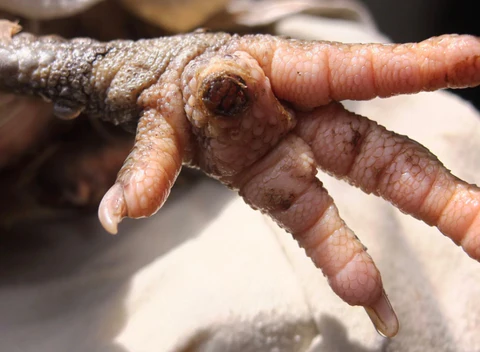
Keeping feet and feathers dry goes a long way in preventing respiratory issues and bumblefoot.
Pecking and Boredom After Winter
After months of being confined, chickens can get restless in spring. This sometimes shows up as feather pecking or minor aggression.
This usually comes from:
- Boredom
- Sudden changes in routine
- Limited space
Scatter feeding, hanging cabbage or herbs, and letting them forage safely can redirect that energy into healthier behavior.
Sudden Sneezing or Watery Eyes
Spring brings dust, pollen, and moisture, which can irritate chickens just like people.
Mild symptoms often come from:
- Dust from old bedding
- High humidity
- Seasonal allergens
A deep clean, good ventilation, and fresh dry bedding usually clear things up. If symptoms last more than a few days or worsen, it is always best to consult a poultry vet.
Spring Chicken Care FAQ
Spring always brings new questions, especially if you are still learning the rhythms of keeping chickens through the seasons. These are some of the most common spring chicken care questions I hear every year, with simple, realistic answers.
When should I clean my chicken coop in spring?
The best time to deep clean your chicken coop is early spring, once nighttime temperatures stay above freezing. This gives your flock a fresh, dry space going into the warmer months when bacteria and pests become more active.
A full spring coop cleaning helps reduce odors, improve airflow, and prevent parasites from getting established.
When do chickens start laying more eggs in spring?
Most hens increase egg production as daylight reaches around twelve to fourteen hours per day. This usually happens gradually in early to mid spring depending on your location.
Some flocks ramp up quickly, while others take several weeks to reach peak laying again.
Is it safe to let chickens free range in spring?
Yes, as long as your yard is secure and free from chemicals. Spring is one of the best times for free ranging because insects return and grass begins growing again.
Just keep in mind that predators are also more active in spring, so supervised free ranging or secure fencing is important.
Should I worm my chickens in spring?
Many backyard chicken keepers choose to deworm in spring because parasites become more common in warmer, wetter conditions.
Some people use natural methods, while others use veterinary approved treatments. The best choice depends on your flock, your environment, and whether you notice symptoms like weight loss, diarrhea, or poor egg production.
How warm does it need to be before chicks can go outside?
Chicks can usually start spending short supervised time outdoors once temperatures are consistently above sixty degrees and they are fully feathered.
This typically happens around six to eight weeks old. Start with small outdoor visits and gradually increase time as they adjust.
A Cozy Spring Reset for You and Your Flock
There is something deeply satisfying about spring chicken care. It feels like you are starting fresh together. New bedding, clean air, brighter mornings, and the soft sound of hens scratching in the dirt again.
For me, spring always means opening the coop doors wide, letting the sunlight pour in, and feeling grateful that after winter, life always comes back around again.
A little intentional care now sets the tone for a peaceful, productive season ahead.
Wishing you a happy springtime, friend.
XO, Bri
Related Chicken Care Posts
If you are raising backyard chickens, these posts will help you build a healthy, low stress flock all year long, from chick season to peak egg laying.

Seasonal Homesteading Inspiration
Spring is the perfect time to reset your home and routines. These simple homesteading posts focus on slow living, seasonal rhythms, and building a cozy life one small habit at a time.


Let’s Get Started!
Follow along for more backyard chicken care, seasonal homesteading tips, cozy slow living, and simple routines for creating a peaceful home through the seasons.