Chickens Molting in Late Summer: What’s Happening with My Feathered Girls?

Every year, without fail, chickens that are molting in the late summer turn my backyard coop into a colorful little feather storm zone. My girls start looking a little goofy, losing feathers in patches, and the ground is covered with those soft, fluffy treasures that hint at the change ahead. It’s molting season — a natural, necessary process that signals my hens are preparing for the cooler months.
If you’ve noticed your chickens starting to shed feathers or looking a bit scruffy, don’t worry! This post will walk you through what molting is, why it happens in late summer, how to care for your flock, and even how to make the most of those feathers that fall along the way.

Reader Summary
- Why chickens molt in late summer and what triggers this natural feather loss cycle
- What a normal molt looks like so you can tell the difference between molting and illness or parasites
- How long molting typically lasts and when your hens will start laying again
- Whether it’s normal for chickens to stop laying eggs during a molt
- Practical ways to support your flock with nutrition, protein, and stress reduction during molting season
- What to watch for if feather loss seems unusual or more severe than a typical molt
- How seasonal changes in daylight and weather affect your chickens’ feather and egg-laying cycle
*Just like a hen watches over her chicks, I want to be transparent with you! Some of the links on this site are affiliate links of products we personally use and love, meaning if you click through and make a purchase, I may earn a small commission at no extra cost to you. These earnings help me keep the coop running smoothly and bring you more helpful content about raising happy, healthy chickens. Thanks for supporting the flock!
If you’re newer to raising backyard chickens, you may also find these posts helpful:
- Must Have Items for Your Chicken First Aid Kit
- How to Keep Chickens Cool in the Sweltering Summer Heat
- Chickens and Bumblefoot: How to Treat and Heal This Common Infection
I’m always learning and sharing what’s working in our own backyard flock, and I hope these help you feel more confident caring for your chickens too.
What Is Molting, Exactly?
Molting is your chickens’ annual feather renewal. Think of it as a slow, natural makeover where they shed old, worn-out feathers and grow in fresh new ones. These feathers aren’t just for show—they keep your hens warm and protected through winter and help them look their best for the next laying cycle.
The process can take several weeks to a few months, depending on the bird and breed. Feathers fall out gradually, and new ones grow in called pin feathers—these look like tiny quills wrapped in a sheath until they fully unfurl. I noticed Anna has these growing in now after her bum feathers fell out! 😅

Why Do Chickens Molt in Late Summer?
Molting typically happens in late summer or early fall because it aligns with changes in daylight and temperature. Chickens are very sensitive to light cycles, and as the days begin to shorten after the summer peak, their hormones shift, signaling it’s time to rest, refresh, and regrow feathers.
Timing the molt before colder weather ensures your hens have their insulating feathers ready to brave the chill.
What to Expect When Your Chickens Are Molting
Feather Loss
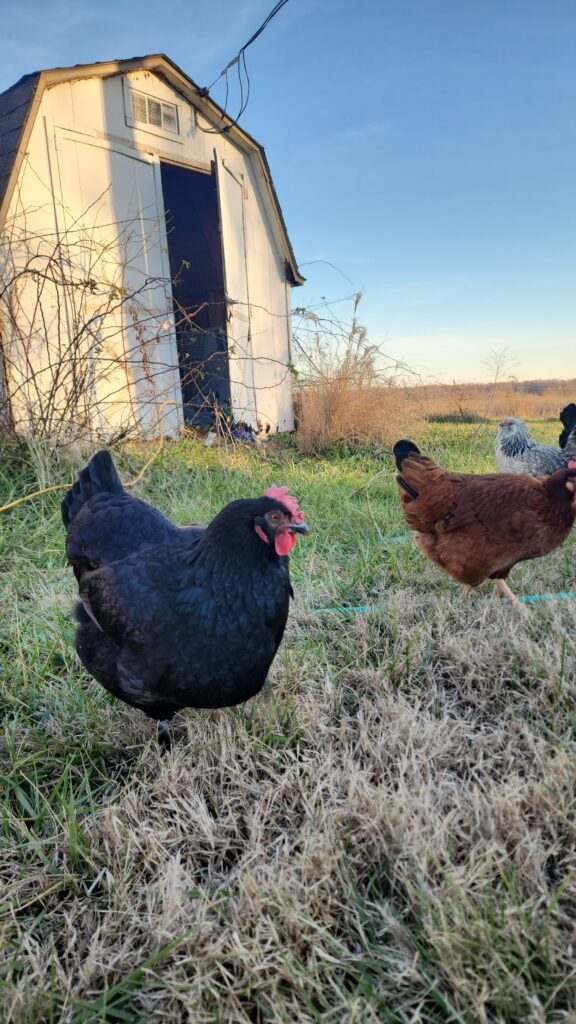
You’ll see feathers coming out mostly around the neck, back, and tail. The hens can look downright scruffy or even a little “goofy” during this time (I promise mine always do!). The coop floor often becomes a sea of colorful feathers. It is actually quite beautiful!
Drop in Egg Production
Since molting is a big energy drain, your hens usually stop or slow down egg laying. Their body’s focus shifts to feather regrowth instead. I happily buy eggs so the girls can focus on their health…their little self care time. For tips on how to help your girls increase egg production, you might check out my other post about why chickens stop laying in the Summer.
Increased Appetite
Growing feathers requires extra protein and nutrients, so your hens will be hungry—feeding them well during this time is key. We give ours frequent snacks. They literally ask for it now!
Behavior Changes
Some hens may act a bit quieter or seek more privacy, settling into their nests or quiet corners.

How to Care for Your Molting Chickens
Supporting your flock through molt takes a little patience and some extra TLC:
1. Feed for Feather Growth
Protein is the star here. Add protein-rich treats like mealworms, cooked eggs, or legumes to their diet. You can also offer specially formulated molt-support feed if you want to get fancy. Balanced nutrition helps feathers grow strong and healthy. I have read into growing your own mealworms for your chickens but I haven’t attempted that project yet. I plan to someday and I will let you know how it goes!
2. Keep the Coop Cozy and Clean
Fresh bedding, plenty of ventilation, and a calm environment help reduce stress. Molting is already hard work, so comfort counts.
3. Fresh Water Is a Must
Make sure your hens always have clean water. Hydration supports overall health, especially when energy demands are high. You can also add some electrolytes and vitamins to their water. This helps them when the weather is hot. I personally use this brand.
4. Minimize Stress
Try not to move the coop or introduce new birds during molting. Stress can prolong the process or cause health issues.

Fun with Feathers: Crafting and Sanitizing Your Molt Finds
One of my favorite parts of molting season is gathering up the soft, colorful feathers left behind. They’re such a beautiful reminder of the natural cycles happening right in my backyard. I make custom hats with various burning and embellishments for my boutique and I often will use feathers to stick in the band!
I’ve also always dreamed of making a wreath or some seasonal décor using the feathers. If you want to get crafty too, here’s how you can safely collect and sanitize your feathers for projects:
How to Sanitize Feathers
- Soak feathers in a mixture of warm water and gentle dish soap for about 10 minutes.
- Rinse thoroughly with clean water.
- Let them air dry completely in a sunny spot.
- Optional: Lightly mist with a fabric-safe disinfectant spray.
Once clean, feathers can be glued onto wreaths, used in floral arrangements, or even tied into garlands. They add a natural, cozy touch to fall décor and make lovely gifts for friends who love chickens.

Molting Is Just Part of the Chicken Care Journey
If you’re new to chickens, molting can feel a little alarming at first because your hens suddenly look rough or stop laying eggs. I know the first time I experienced this I was very concerned! But trust me, it’s normal, healthy, and temporary. It’s just your girls hitting the “refresh” button so they can be strong, warm, and productive in the months ahead.
Molting fits into the yearly rhythm of chicken keeping, like planting in spring or harvesting in fall. Each phase has its own beauty and lessons.

Frequently Asked Questions
Why are my chickens losing feathers in late summer?
Chickens lose feathers in late summer because they are going through a natural process called molting. This is when they shed old, worn feathers and grow in new ones. It typically happens once a year and is often triggered by changes in daylight, age, and the end of peak egg-laying season.
How long does a chicken molt last?
Most molts last between 4 to 8 weeks, but some hens may take longer depending on age, breed, nutrition, and stress levels. Heavy molts where chickens lose a lot of feathers at once can take closer to 8–12 weeks for full feather regrowth.
Do chickens stop laying eggs when they molt?
Yes, most hens will slow down or completely stop laying eggs during a molt. This is because their bodies redirect protein and energy toward growing new feathers instead of producing eggs.
Is late summer molting normal for chickens?
Yes, late summer and early fall molting is very common. Chickens often molt after the hottest part of summer as daylight hours begin to shorten, signaling their bodies to reset their feather cycle before colder weather arrives.
How can I help my chickens through molting?
You can support molting chickens by:
- Increasing protein in their diet (layer feed, mealworms, or high-protein treats)
- Providing clean, fresh water at all times
- Reducing stress in the flock environment
- Offering extra calcium if they are still laying sporadically
Should I be worried if my chicken looks mostly bald during molt?
In most cases, no. Chickens can look very patchy or nearly bald during a heavy molt, which can be alarming but is usually normal. However, if you notice lethargy, weight loss, or signs of parasites, it may be worth checking for mites or lice.
Can chickens molt more than once a year?
Most chickens molt once per year, but some may have a partial or “soft molt” more than once, especially if they are under stress or experiencing changes in environment, nutrition, or daylight.
What is the difference between molting and feather loss from illness or parasites?
Molting is usually symmetrical and follows a predictable pattern across the body. Feather loss from parasites or illness tends to be uneven and may be accompanied by irritation, scratching, or poor overall condition.
Final Thoughts
If your chickens are starting to lose a little feathers like mine, embrace the mess and the goofy looks. It’s all part of their amazing, natural process. Give them good food, fresh water, and a calm coop, and soon enough, you’ll have a flock full of shiny new feathers and maybe even a few craft projects inspired by the bounty of molting season.
Thanks for reading, friend. Here’s to cozy late summers, colorful feathers, and happy, healthy hens!
XO,
Bri
Did You Miss These Chicken Related Posts?
How To Winterize Your Chicken Coop
Building A New Chicken Coop From Salvaged Materials
How To Treat Bumblefoot in Chickens
How to Keep Chickens Cool in the Sweltering Summer Heat
Why Your Chickens Stopped Laying Eggs — 7 Things to Check This Summer

Check Out My Girls On TikTok!
Shop Our Coop Favorites On Amazon