
Why Your Chickens Stopped Laying Eggs — 7 Things to Check This Summer

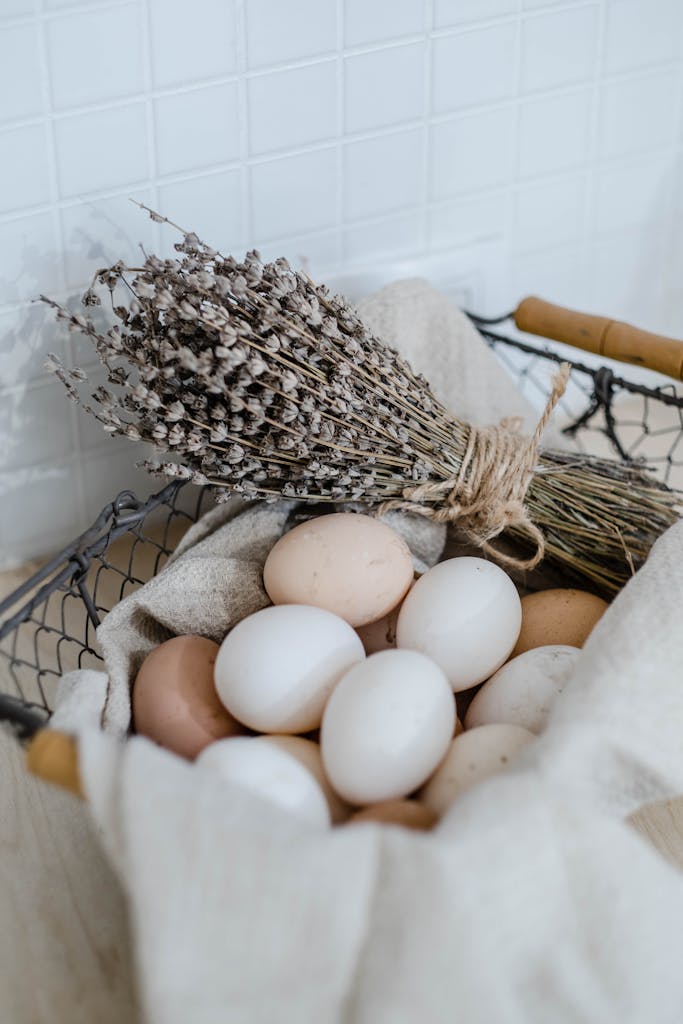
It always catches me off guard. One minute we’re frequently gathering a full basket of fresh eggs, and the next? We’re scraping together two or three if we’re lucky. If you’re wondering why are my chickens not laying eggs in late summer, you’re not alone and you’re not doing anything wrong.
Late summer is a common time for backyard chickens to slow down or even stop laying altogether. Between the heat, the molt, and a few sneaky seasonal shifts, there are plenty of reasons why your hens might be taking a break. Thankfully, most of the time, it’s totally normal—and fixable. Don’t panic!
Let’s walk through the top reasons your chickens may not be laying right now, and what you can do to support your flock through it.
Reader Summary
In this post, you’ll learn:
- The most common reasons backyard hens stop laying eggs during the summer.
- How extreme heat can impact egg production and what signs to watch for.
- Whether molting, age, or daylight changes could be affecting your flock.
- How nutrition and hydration directly influence egg laying.
- Simple checks you can do right away to figure out what’s going on with your hens.
- Easy ways to help your chickens start laying again when conditions improve.
- When a drop in egg production is normal versus when it may signal a bigger issue.
If you are a beginner to raising backyard chickens, you might enjoy these other helpful posts on the blog: Chickens and Bumblefoot: How to Treat and Heal This Common Infection, Chickens Molting in Late Summer: What’s Happening with My Feathered Girls?, or this post is essential for keeping your flock happy and healthy: Must Have Items for Your Chicken First Aid Kit.
Reasons Your Backyard Hens Stopped Laying This Season
The Summer Heat Is Too Much
Chickens aren’t built for extreme temperatures. Once it climbs above 85°F, their bodies go into heat stress mode, which means energy is spent on staying cool, not producing eggs. Understandably of course.
What to do:
- Provide plenty of fresh, cool water (refresh often!)
- Offer frozen treats like watermelon or berries
- Create shady areas and improve airflow in the coop
- Read more: How to Keep Chickens Cool in the Sweltering Summer Heat

They’re Starting to Molt
Molting usually starts in late summer or early fall, when chickens begin shedding old feathers to grow new ones. Sometimes they get pretty funny looking! 😅 Since feather production requires a ton of protein and energy, egg laying takes a backseat during this time.
What to do:
- Offer high-protein treats (mealworms, scrambled eggs, sunflower seeds)
- Switch to a grower or flock raiser feed temporarily if needed
- Be gentle—molting chickens often feel a little touchy. Wouldn’t you be?

Shorter Daylight Hours
Believe it or not, the days start getting shorter not long after the summer solstice in June. Chickens are sensitive to light cycles, and as daylight dips below 14 hours, it can trigger a natural pause in laying.
What to do:
- Make sure your chickens get as much natural light as possible
- Some folks choose to add a low-wattage light in the coop (on a timer) to simulate longer days, though we personally let nature set the pace on our homestead.

Age of Your Hens
If your chickens are over 2 years old, it’s normal for them to start slowing down, especially in the heat or as they head into fall. Older hens may take longer breaks or lay more sporadically.
Our girls just celebrated their 5th birthday around Memorial day. They only have a few laying years left in them so our drop in egg production is getting to be a common thing.
What to do:
- Let them rest if needed—many bounce back in cooler weather
- You can slowly introduce new pullets to your flock to balance egg production long-term

Nutritional Deficiencies
If your hens aren’t getting a well-balanced diet (especially enough calcium and protein), it can impact both egg quantity and quality.
What to do:
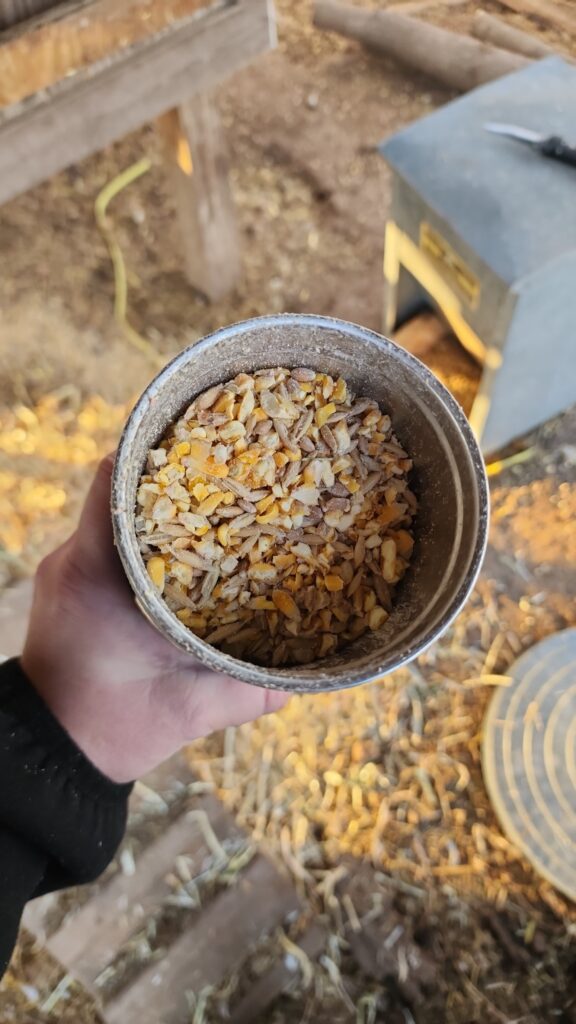
- Offer a quality layer feed
- Provide crushed oyster shell free-choice for calcium
- Supplement with occasional protein-rich snacks during high-stress periods (like heat or molt)

Stress from Predators, Pests, or Change
Even if you haven’t seen a predator, your hens might have. Nearby raccoons, hawks, or even rodents can cause enough nighttime stress to throw off their laying rhythm. Moving the coop, introducing new birds, or loud nearby construction can do the same.
What to do:
- Check for signs of predators or pests in and around the coop
- Keep the routine as consistent and peaceful as possible
- Add herbs like lavender or chamomile to nesting boxes to promote calm

Dirty or Uncomfortable Nesting Boxes
Sometimes, the hens are laying… just not where you expect. If nesting boxes are too hot, messy, infested with mites, or just feel off to them, they may look for another place to lay—or skip it altogether. We are actually in the process of relocating ours. When I had build the temporary coop, we had put the egg boxes up higher to give them more ground space to walk around. This however soon proved to be an issue. Right now three of our girls have bumblefoot. We are guessing it is due to the fact they were jumping down from their boxes frequently, causing some sensitivity in their little feet.
Here are some things to try to help your girls have a more comfortable laying space:
- Clean nesting boxes weekly and refresh bedding as needed
- Check shady corners, bushes, or under the coop for hidden egg stashes
- Encourage proper laying habits with ceramic nest eggs if needed

Quick Summer Egg Production Checklist
Before assuming something is seriously wrong, work through this quick checklist. In many cases, a simple adjustment is all your flock needs to start laying again.
- ☐ Fresh, clean water is available at all times.
- ☐ Your chickens have plenty of shade during the hottest part of the day.
- ☐ They’re eating a complete layer feed with the proper nutrients.
- ☐ Oyster shell or another calcium source is available for laying hens.
- ☐ Nesting boxes are clean, dry, and comfortable.
- ☐ There are no signs of mites, lice, or internal parasites.
- ☐ Your flock hasn’t experienced a recent predator scare or other stressful event.
- ☐ Your hens aren’t currently molting.
- ☐ Your hens are old enough to lay and not nearing the end of their peak laying years.
- ☐ The coop has good ventilation to help prevent heat stress.
If you’ve checked each of these and your hens still aren’t laying, don’t panic. Many flocks naturally produce fewer eggs during the summer, and egg production often returns once temperatures cool and your hens are comfortable again.
Frequently Asked Questions
Why did my chickens suddenly stop laying eggs in the summer?
Hot weather is one of the most common reasons hens stop laying or produce fewer eggs during the summer. When temperatures rise, chickens use more energy to stay cool and may naturally reduce egg production until the weather becomes more comfortable.
Is it normal for chickens to lay fewer eggs in hot weather?
Yes. Many backyard chickens lay fewer eggs during periods of extreme heat. Providing plenty of fresh water, shade, and a balanced diet can help reduce heat stress and encourage consistent laying.
At what temperature do chickens stop laying eggs?
There isn’t an exact temperature when all hens stop laying, but many chickens begin to experience heat stress once temperatures climb above 85°F. Extended periods of high heat can lead to fewer eggs or a temporary pause in production.
How can I help my chickens lay eggs during the summer?
Keep fresh, cool water available at all times, provide shade and good ventilation, offer a high-quality layer feed, and minimize unnecessary stress. Healthy, comfortable hens are more likely to continue laying throughout the summer.
Can dehydration cause chickens to stop laying eggs?
Absolutely. Eggs require a significant amount of water to produce. Even mild dehydration can reduce egg production, so it’s important to make sure your flock always has access to clean, cool water.
Why are my chickens healthy but not laying eggs?
If your hens appear healthy, consider their age, daylight hours, molting, nutrition, stress levels, and recent environmental changes. Many of these factors can temporarily affect egg production even when your chickens seem perfectly healthy.
How long does it take for chickens to start laying again?
It depends on the cause. If heat stress or a temporary disruption is to blame, many hens begin laying normally again once conditions improve. If they’re molting or getting older, it may take several weeks or their production may naturally slow over time.
Should I worry if my chickens stop laying eggs?
Not always. A temporary decrease in egg production is often a normal response to seasonal changes, especially during the summer. However, if your hens show signs of illness, stop eating, or continue not laying for an extended period, it’s a good idea to investigate further or consult a poultry veterinarian.
In Closing
While we love a steady flow of fresh eggs, it’s good to remember: your hens are living beings, not machines. Just like us, they slow down when the conditions get tough. Whether it’s the heat, the molt, or the shifting season, they’re just responding to nature in the way they’re designed to. Give them some grace.
With a little extra care, most flocks will bounce back once the cooler weather rolls in. Until then, offer support, be patient, and enjoy the rhythm of life on the homestead—even if your egg basket is a little lighter these days.
XO Bri
Related Posts You’ll Love
If you found this helpful, you might also enjoy these chicken care guides:

Let’s Stay Connected!
Follow along on social media for more homestead life, from-scratch recipes, and everyday moments from our kitchen and backyard.