Homemade Chili Seasoning Mix For Your Pantry

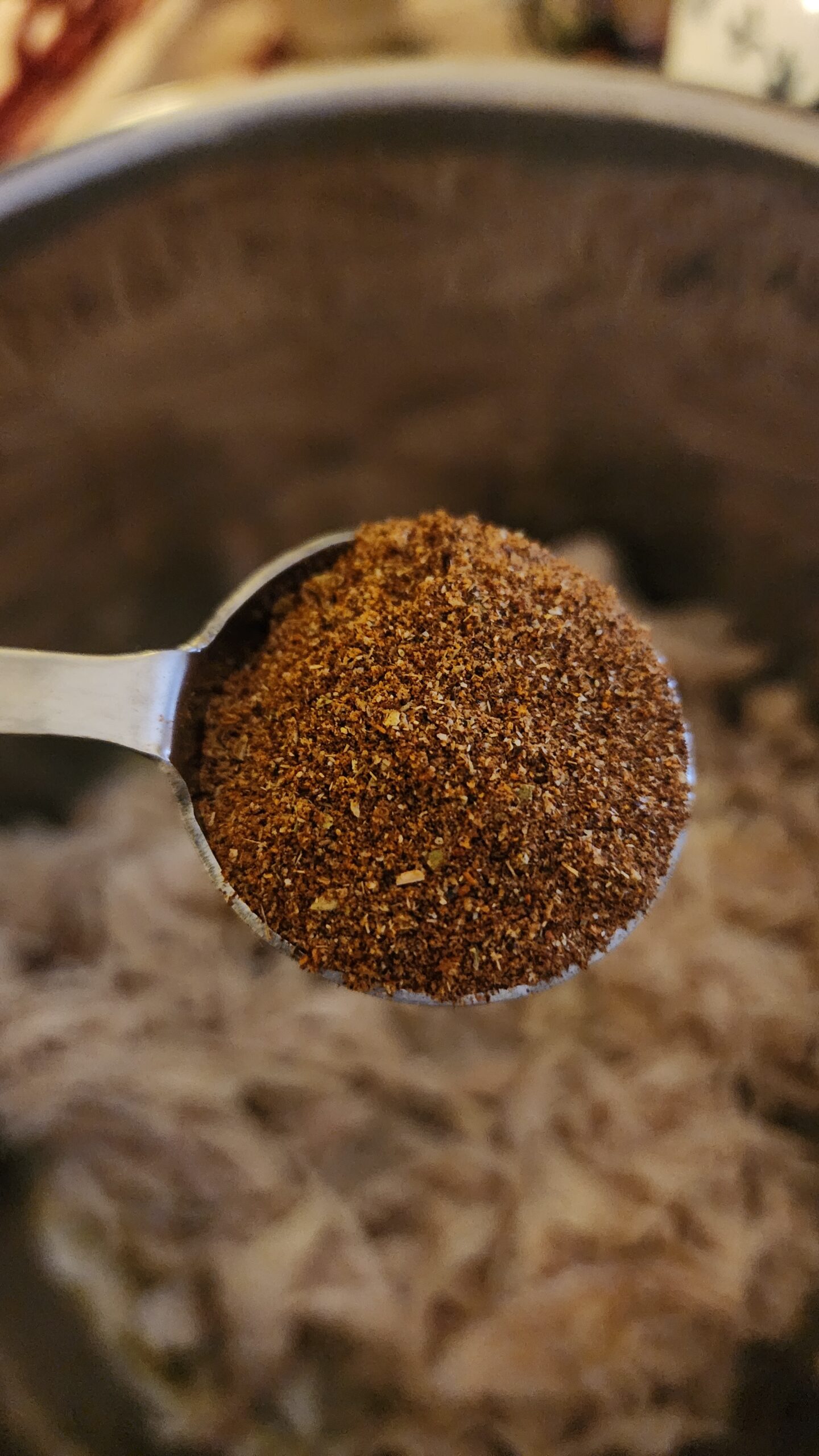
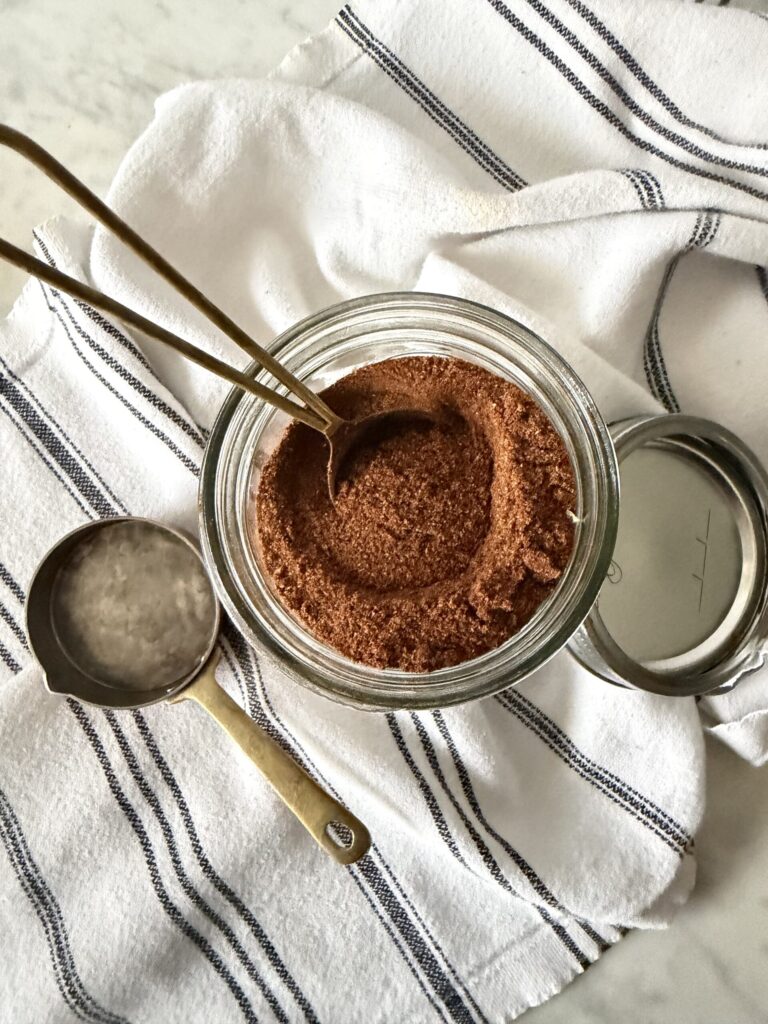
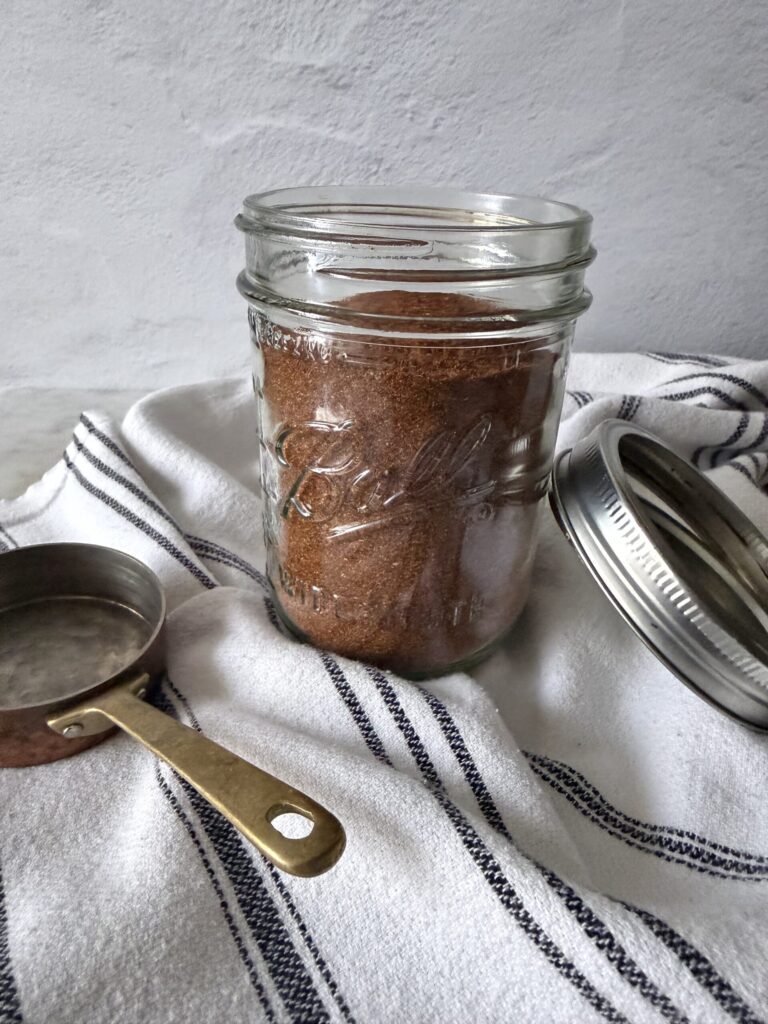
There is nothing quite like having a jar of homemade chili seasoning ready to go in the pantry when the weather turns cool. This simple blend is made with chili powder, cumin, paprika, garlic, oregano, black pepper, and cayenne for a flavorful seasoning you can keep on hand all fall and winter. It is an easy homemade alternative to store-bought seasoning packets and can be adjusted to make your chili as mild or spicy as you like.
Reader Summary
When you make this homemade chili seasoning, you’ll learn:
- How to make a simple chili seasoning mix from pantry spices
- How much seasoning to use for a batch of chili
- How to adjust the heat to your preference
- Why I prefer keeping this seasoning salt-free
- How to make a larger batch to keep in your pantry
- How to store homemade seasoning for the best flavor
- Other ways to use this seasoning besides chili
If you have been stocking your homestead pantry for the upcoming Fall and winter season, you might also like these other recipes from the blog: Homemade Brownie Mix in Bulk: A Time-Saving Pantry Staple for Busy Bakers, Homemade Sourdough Croutons Recipe: Crunchy, Flavorful, and Perfect for Fall, Made From Scratch Crunchy Granola.
Why You’ll Love This Recipe
- Easy to make. Simply measure your spices, mix them together, and you’re done.
- Made with pantry staples. You may already have everything you need in your spice cabinet.
- Easy to customize. Make it milder, spicier, smokier, or sweeter depending on what you like.
- Salt-free. Leaving the salt out gives you complete control over the seasoning in your finished chili.
- Perfect for making in bulk. Keep a jar in your pantry so you’re always ready to make a pot of chili.
- No seasoning packet required. You can make your own whenever you need it.
- A great fall and winter pantry staple. One jar can carry you through plenty of cozy meals.
A Family Favorite for Years
Chili has been a favorite in my family for as long as I can remember. Growing up, we always had chili in the house during the colder months. It was one of those meals that was simple to throw together, hearty enough to feed the whole family, and incredibly cozy on a chilly evening!
Over the years, my family really fell in love with Williams chili seasoning. That is the flavor I grew up with, so it became the seasoning I naturally reached for whenever we made chili. It is still one of our favorite meals here at home. Jason loves chili, and I do too. While we especially enjoy it during the fall and winter, we’ve been known to make it in the summer, too! Honestly, if you love chili, you don’t really need an excuse to make it. 😅
When I was growing up, we usually ate our chili with crackers. It was such a simple combination, but that is still one of the first things I think of when I make a pot today. These days, I especially love serving it with homemade cornbread.
And then there are the cinnamon rolls.
When I was in elementary school, our cafeteria served cinnamon rolls whenever we had chili. Somehow that combination became one of my favorite food memories. So now, when I think about a cozy bowl of chili, I don’t just think about cornbread. I think about a warm cinnamon roll waiting for dessert, too.
As much as I love Williams seasoning, I also love making my own pantry staples. Sometimes you realize you’re out of a seasoning packet right when you’re ready to make dinner, and having a homemade version in the pantry solves that problem.
I started making my own spice blends for exactly this reason. My homemade taco seasoning has become a pantry staple in our kitchen, and I wanted to create the same kind of convenience for chili. Now I can make a jar whenever I need it, and I usually already have all of the ingredients sitting in my spice cabinet.
This is the version we prefer, but the best part about making your own seasoning is that you can make it your own, too.
Ingredients
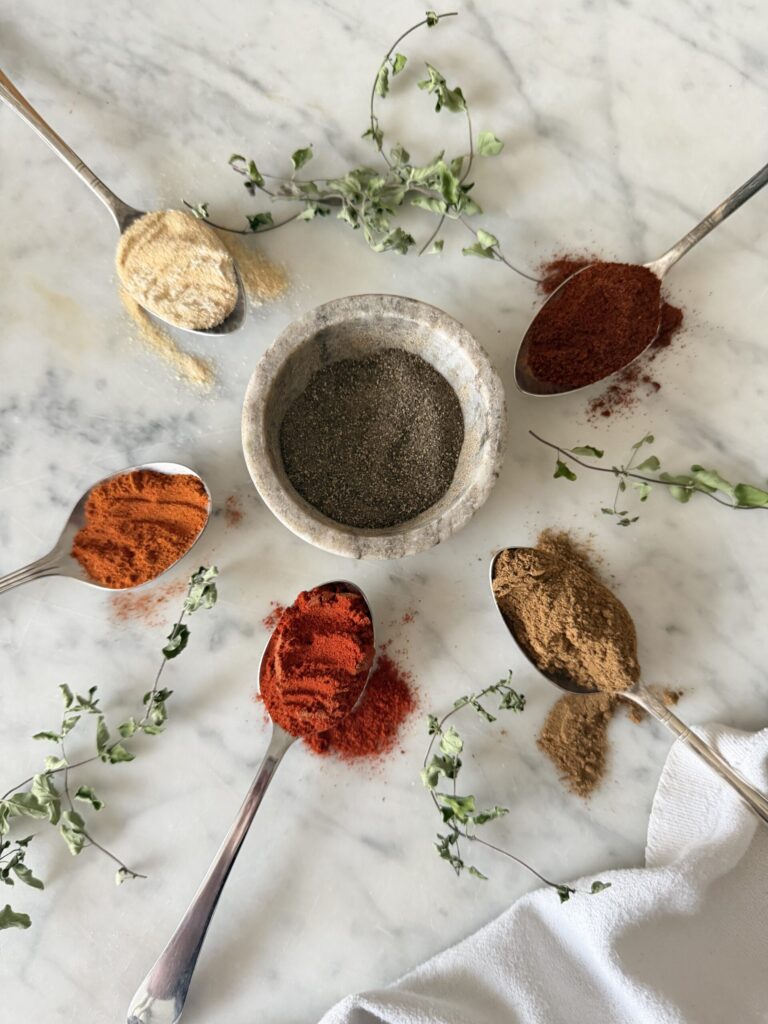
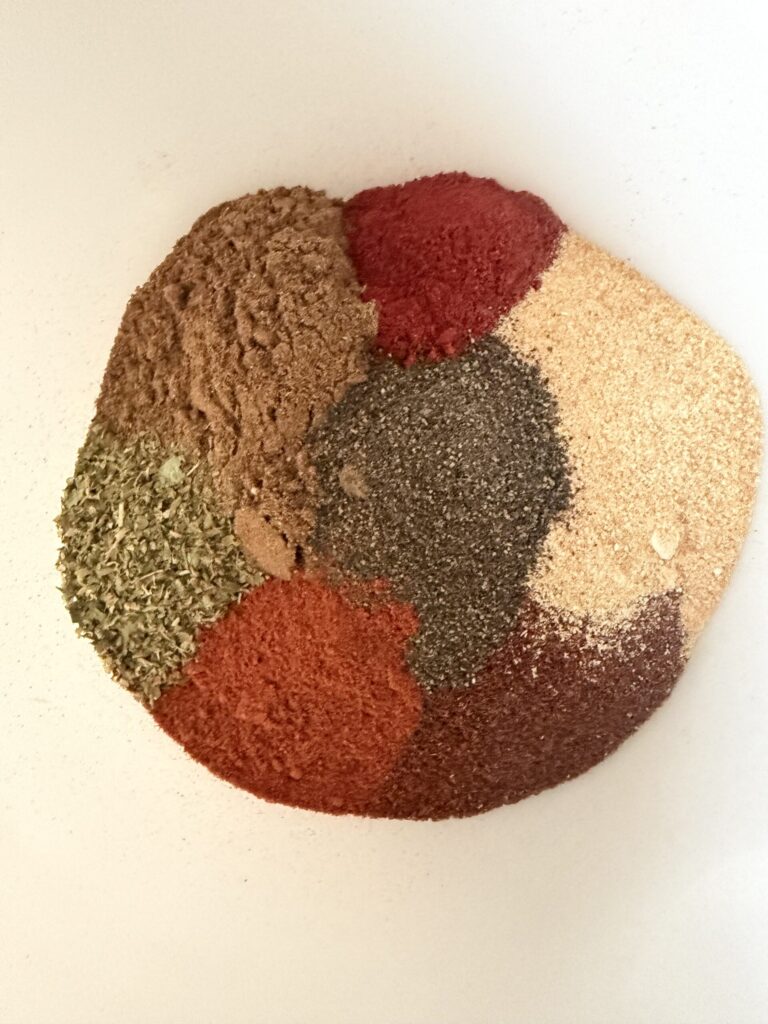
Chili Powder
Chili powder forms the base of this seasoning blend and provides most of the classic chili flavor.
Cumin
Cumin adds a warm, earthy flavor that gives the seasoning its savory depth.
Paprika
Paprika adds color and a mild sweetness without adding much heat.
Garlic Powder
Garlic powder gives the blend a savory garlic flavor and distributes easily throughout the chili.
Dried Oregano
Dried oregano adds an herbal note that complements the chili powder and cumin. If you have homegrown oregano that you’ve dried yourself, this is a wonderful place to use it.
Black Pepper
Black pepper adds another layer of warmth and a little extra bite.
Cayenne Pepper
Cayenne is what I use to add a little heat. You can increase or decrease the amount depending on how spicy you like your chili.
How to Make Homemade Chili Seasoning
- Measure the spices. Add the chili powder, cumin, paprika, garlic powder, oregano, black pepper, and cayenne pepper to a small bowl.
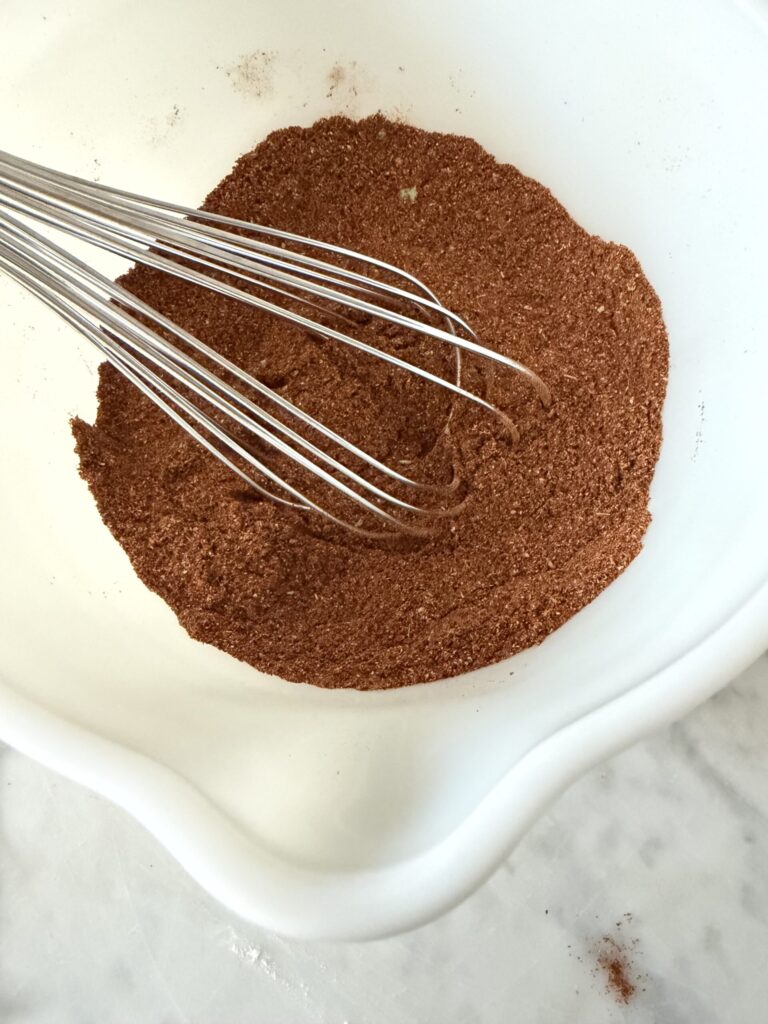
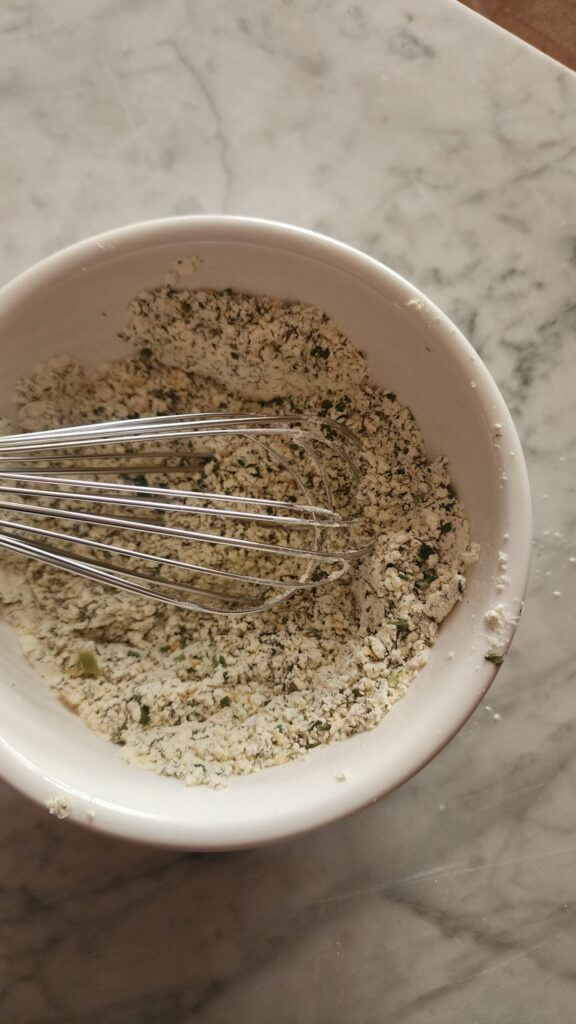
- Mix well. Whisk the spices together until evenly combined. Make sure there are no larger clumps of garlic powder or chili powder remaining.
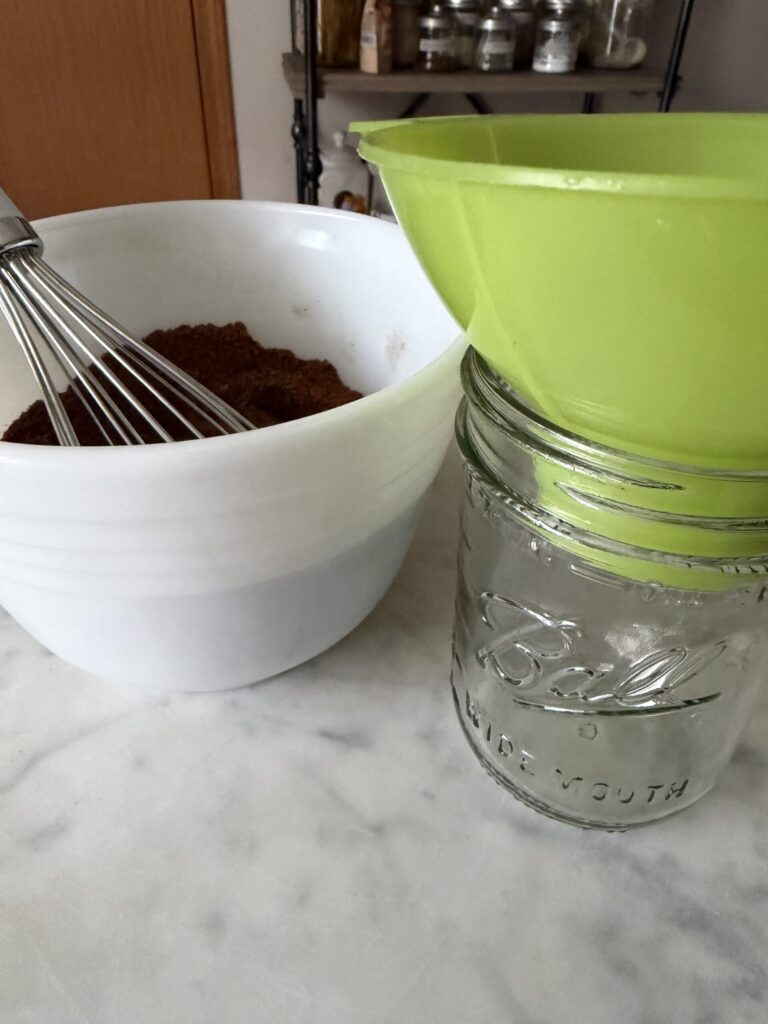
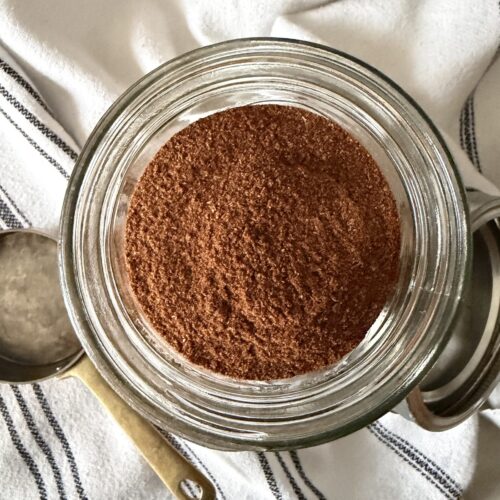
- Transfer to a jar. Pour the seasoning into a clean, airtight spice jar or small mason jar.
- Label your jar. Write the name of the seasoning and the date you made it on the jar so you know what it is and when it was prepared.
- Use in your favorite chili recipe. I recommend starting with about 4 tablespoons of seasoning for a large pot of chili and adjusting to taste.
Homemade Chili Seasoning Mix
Ingredients
- 1 cup chili powder
- 2 1/2 TBSP cumin
- 4 tsp paprika
- 4 tsp garlic powder
- 2 tsp dried oregano
- 2 tsp black pepper
- 1 tsp cayenne
Instructions
- In a small bowl, combine all ingredients. Mix well.
- Add mix into an airtight container and store in a dry, dark place.
Notes
Recipe Variations
One of my favorite things about homemade spice blends is that you don’t have to follow the recipe perfectly every time.
Make It Spicier
For a hotter chili seasoning, increase the cayenne pepper. You can also add a little crushed red pepper if you enjoy a more noticeable heat.
Make It Milder
Reduce the cayenne pepper or leave it out completely for a milder blend.
Add a Little Smoky Flavor
Try adding a small amount of smoked paprika or smoked salt. Smoked paprika will give the seasoning a deeper, smoky flavor without adding much heat.
Add Salt
I intentionally leave salt out of this recipe so you can control the salt level in your chili. If you prefer an all-in-one seasoning mix, you can add salt directly to the jar.
Add a Touch of Sweetness
If you like a slightly sweeter chili, you can add a little brown sugar to the seasoning blend. I prefer to leave it out of my everyday batch so the seasoning remains more versatile.
How to Store Homemade Chili Seasoning
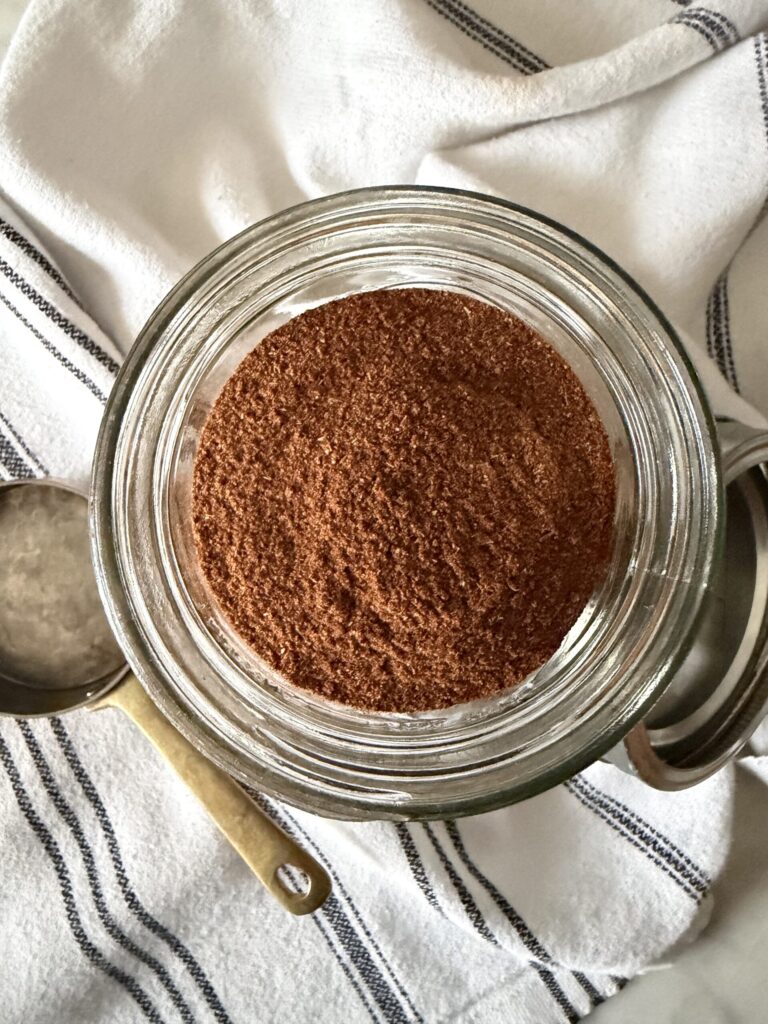
Store your homemade chili seasoning in an airtight container in a cool, dry, dark place, such as a pantry or kitchen cabinet.
Keep it away from steam, moisture, direct sunlight, and heat from the stove. Moisture can cause the spices to clump, while heat and light can cause spices to lose their flavor more quickly.
For the best flavor, I recommend making your seasoning with fresh, aromatic spices and using the blend within several months. Homemade spice blends don’t necessarily become unsafe immediately after that point, but the flavor and aroma will gradually fade.
Can You Make Chili Seasoning in Bulk?
Absolutely! This is one of the reasons I love making homemade seasoning blends.
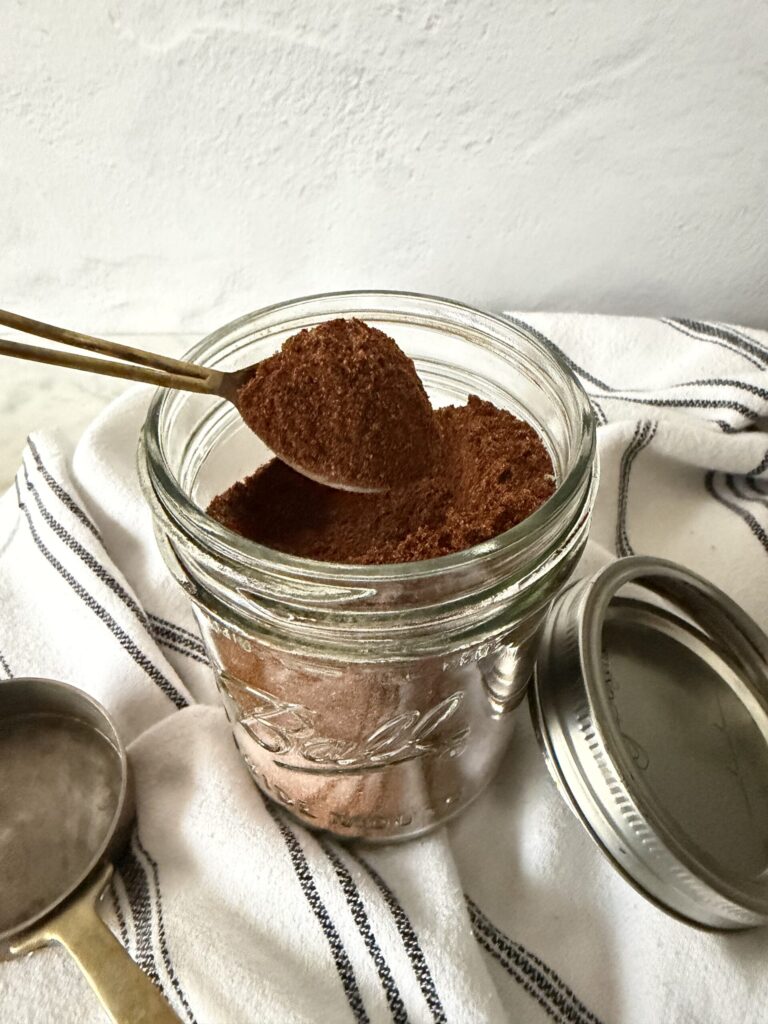
You can easily double, triple, or even quadruple this recipe and keep it in a larger jar. Then, whenever you make chili, simply measure out the amount you need.
Making a large batch at the beginning of fall means you’ll have homemade chili seasoning ready throughout the entire soup and chili season.
Can You Gift Homemade Chili Seasoning?
Yes! Homemade chili seasoning makes a simple and inexpensive homemade gift, especially during the fall and holiday season.
Pour the seasoning into a small glass jar, add a lid, and attach a simple label with the name of the seasoning and suggested uses. You could even pair it with a wooden spoon, a small jar of homemade cornbread mix, or a handwritten chili recipe.
It’s a practical gift for someone who enjoys cooking and something they’ll actually use.
How to Use Homemade Chili Seasoning
Of course, this seasoning is perfect for a big pot of homemade chili, but you don’t have to stop there.
Try using it to season:
- Ground beef or turkey
- Chicken
- Tacos
- Burritos
- Enchiladas
- Fajitas
- Quesadillas
- Black beans
- Pinto beans
- Roasted potatoes
- Roasted vegetables
- Stuffed peppers- try my creamy taco stuffed peppers
- Taco soup
- Southwest-style soups
- Chili mac
- Frito pies
I especially love serving a warm bowl of chili with cornbread, but crackers and corn chips are also delicious.
And if you want to recreate one of my favorite childhood meal pairings, serve chili with a warm sourdough cinnamon roll for dessert.
Frequently Asked Questions
What is chili seasoning made of?
Chili seasoning is typically made from a combination of chili powder and other spices such as cumin, garlic, oregano, paprika, black pepper, and cayenne. The exact ingredients vary between recipes and brands.
Is chili seasoning the same as chili powder?
Not always. In American recipes, chili powder is often already a spice blend made with ground chiles and additional spices, while chili seasoning is a larger blend formulated specifically to season a pot of chili. The terminology can vary between brands and recipes.
How much chili seasoning should I use?
Start with about 4 tablespoons for a large pot of chili, then taste and adjust. The amount you need will depend on how much meat, beans, tomatoes, and other ingredients are in your recipe and how strongly seasoned you like your chili.
Can I make chili seasoning without salt?
Yes! That’s actually how I prefer to make mine. Leaving the salt out allows you to control the saltiness of the finished chili rather than having the seasoning determine it.
How can I make chili seasoning less spicy?
Reduce or omit the cayenne pepper. Since the heat level of chili powder can also vary between brands, choosing a mild chili powder can help keep the finished seasoning on the milder side.
How can I make homemade chili seasoning spicier?
Increase the cayenne pepper to your preferred heat level. You can also add crushed red pepper flakes or another ground chile if you want more heat.
Can I double this chili seasoning recipe?
Yes. This recipe is easy to double, triple, or quadruple. Making a larger batch is a great way to keep a homemade seasoning mix ready in your pantry.
How long does homemade chili seasoning last?
For the best flavor, use homemade chili seasoning within several months and store it in an airtight container away from heat, light, and moisture. The freshness of the individual spices you use will also affect how long the blend retains its flavor.
Can I use chili seasoning for things other than chili?
Absolutely. Use it to season ground meat, tacos, beans, roasted vegetables, stuffed peppers, soups, and other dishes that would benefit from a warm, savory chile flavor.
Final Thoughts
Making your own chili seasoning is one of those little pantry projects that makes cooking from scratch feel so much easier. Instead of realizing you’re out of a seasoning packet when you’re already halfway through dinner, you can simply reach into your pantry for a jar you’ve made yourself.
This blend has become my homemade alternative to the chili seasoning I grew up with, and I love knowing that I can make another batch whenever I need it. It’s simple, customizable, and made with spices I almost always have on hand.
So the next time a chilly evening calls for a big pot of comforting chili, grab your homemade seasoning, let the pot simmer, and don’t forget the cornbread! And if you’re feeling nostalgic, add a warm cinnamon roll for dessert. Some food combinations are just too good to outgrow.
Happy cooking, friend!
XO, Bri
More Pantry Mixes For Your Homestead Kitchen
If you love keeping homemade seasoning blends stocked in your pantry, here are a few more simple recipes to try. These flavorful blends are easy to make, customizable, and perfect for keeping on hand for everyday cooking and baking.

Let’s Stay Connected!
I’d love to keep sharing more seasonal recipes, homestead life, and everyday inspiration with you—come hang out with me over on social media!