Must Have Items for Your Chicken First Aid Kit

If you raise chickens you know that even the most easygoing flock can surprise you with a cut wing, a soft pecking squabble, or a hen that just isnt feeling herself. I want to share with you the exact list of supplies to keep in your chicken first aid kit so you can stay calm and ready when your girls need you most. Think of this like a little hospital for your backyard flock and the peace of mind that comes with being prepared.
No one ever plans for a chicken to get hurt or sick, but if you have the right supplies on hand you can treat minor injuries at home and avoid those middle of the night runs to the feed store. In this post we’ll walk through everything you might want to include from basic wound care and health support to emergency supplies and vet contacts.
Reader Summary
In this post, you’ll learn:
- What to put in a chicken first aid kit so you’re prepared for common injuries and emergencies
- Essential wound care supplies for cuts, scrapes, pecking injuries, and minor wounds
- Which health and supportive-care supplies are helpful to keep stocked for your flock
- The basic tools every chicken keeper should have for examining and caring for an injured bird
- What to have on hand for isolating a sick or injured chicken while she recovers
- Helpful optional supplies that can come in handy as you gain experience raising chickens
- How to organize and maintain your poultry first aid kit so everything is easy to find when you need it
- When a chicken needs veterinary care rather than home first aid
- A printable chicken first aid kit checklist to make stocking your own kit simple
This post may contain affiliate links. This means I may earn a small commission if you purchase through one of these links, at no extra cost to you. I only share products and resources that I personally use, trust, or believe will truly be helpful to you and your home. Thank you for supporting my blog and the work I share here!
Why Every Chicken Keeper Needs a First Aid Kit
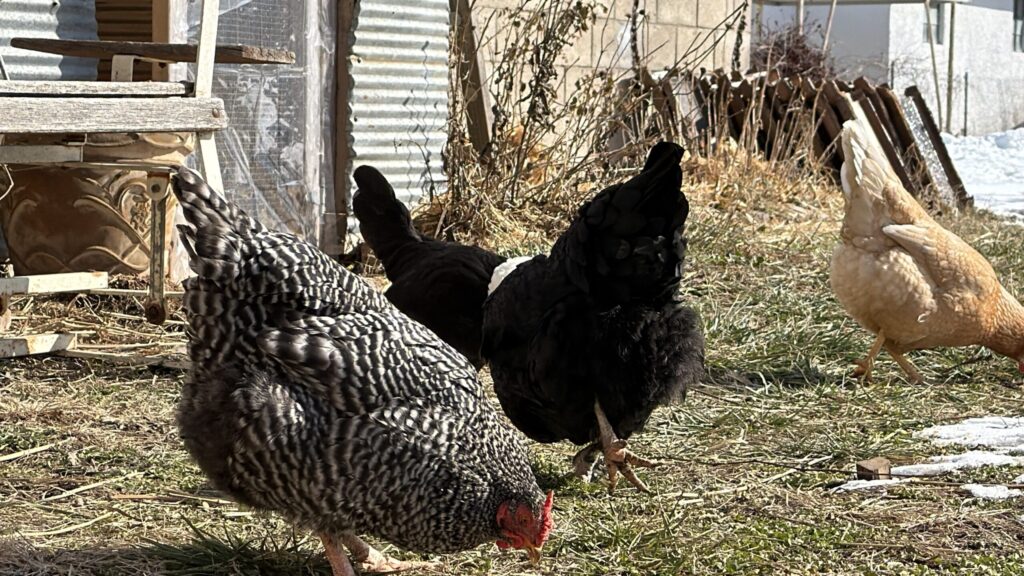
Whether you have three hens or thirty, having a chicken first aid kit is one of the best things you can do for your flock’s health. Chickens get into scrapes from everything like pecking, rough play, or … well chickens just being chickens. They can also suffer from dehydration in the heat, get mites, or come down with mild illnesses that are easy to manage if you catch them early.
A good first aid kit helps you act quickly with confidence when something unexpected happens. It also makes you feel so much more connected to your flock because you know you’re really taking care of them.
To build the best chicken first aid kit, I like to think of it like a home medicine cupboard only for chickens. Everything has a purpose and is easy to grab when you are in a hurry.
How To Organize Your First Aid Kit
Before we dive into the actual supplies I want to mention how you can keep your kit organized. Use a sturdy plastic tote with a latch and compartment boxes inside that separate tools and medicines. You can label each box clearly so you can find exactly what you need without panicking when a hen is injured. You can easily store it close to your chicken gear area with your feed and bedding so its easy to check and restock often. This can save you so much stress.
Now let’s talk about what should be in that kit.

Essential Wound Care Supplies
These are the first line items you reach for any time there’s a cut, scrape, predator injury, or feather picking:
Saline Solution
A gentle saline solution is perfect for rinsing wounds and eyes before you do anything else. It’s safe and effective for basic cleaning and doesnt irritate like harsh chemicals.
Antiseptic Spray or Wound Wash
Products like a poultry‑safe wound spray help prevent infection. Some keepers use Vetericyn Plus Antimicrobial Poultry Care because it cleans and promotes healing.
Non‑Stick Gauze Pads
These are great for covering wounds because they won’t stick to feathers or healing tissue. I always keep several sizes so I can adapt to different injuries.
Vet Wrap or Self‑Adhesive Bandages
Vet wrap is a soft bandage that sticks to itself and not feathers. I use this to help secure dressings when needed.
Styptic Powder
If you accidentally clip a nail too short or a feather follicle bleeds its a lifesaver. Styptic powder stops bleeding fast.
Disposable Gloves
Always keep gloves on hand so you protect yourself and your birds from cross contamination when treating wounds.
Tweezers and Scissors
These simple tools are invaluable for removing debris from wounds or cutting bandages to size.

Health Support and Illness Management Supplies
Many common chicken ailments can be managed at home with the right supplies and attention:
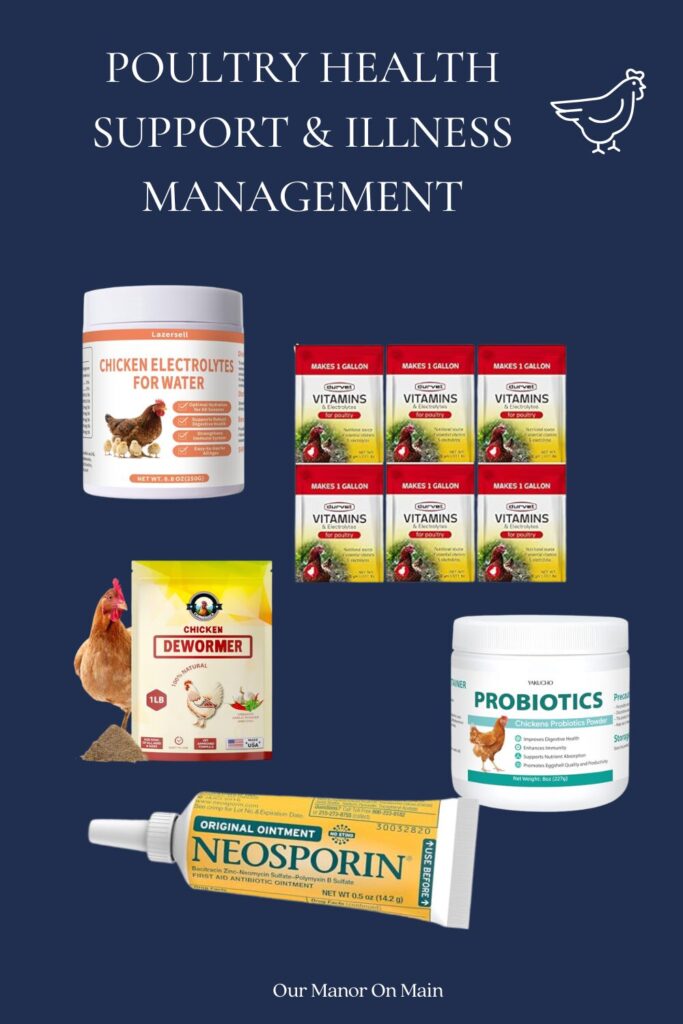
Poultry Vitamins and Electrolytes
When chickens get stressed from heat, moving, or illness you can add vitamin and electrolyte powders to their water to help them bounce back faster. I keep a few packets on hand for these moments.
Probiotics
After any illness or a round of medicine, probiotics help restore gut health. Chickens benefit from this especially if their appetite dips.
Dewormer or Coccidiosis Treatment Powder
Items like coccidiosis treatment powders are worth having on hand if you’re in an area where parasites are common. Always follow label instructions or talk to your vet.
Saline and Antibacterial Ointment
For minor cuts I sometimes follow saline cleaning with a poultry safe antibiotic ointment without pain relief ingredients. This helps prevent infection.
Tools That Make Your Life Easier
These are not medicines but they really help you care for your chickens:
Digital Thermometer
Yes it sounds fancy but knowing if a chicken’s temperature is above normal can help you decide what next steps are.
Syringes and Droppers
These help you administer liquid medicines or water to dehydrated birds. I keep a few sizes in my kit.
Flashlight
A small LED flashlight is perfect for inspecting nostrils or tiny wounds.
Notebook and Pen
I jot down symptoms and treatments so I remember what worked for future reference. It makes a huge difference when tracking a sick bird’s progress.

Emergency & Isolation Supplies
Sometimes a temporary chicken hospital setup is exactly what a sick bird needs:
Small Isolation Carrier or Box
When a chicken needs to rest separate from the flock I use a wire dog crate or small carrier as a cozy little hospital.
Heat Lamp or Heating Pad
Illness or injury can make a chicken cold and weak. A heat lamp keeps them warm so they don’t waste energy just staying warm.
Towels and Old Bedding
I always tuck a couple in the bottom of the isolation space for comfort and warmth. Clinical but homey.

What I Like to Have But Is Optional
Here are a few things Ive added over time that I think are really helpful though not absolutely necessary:
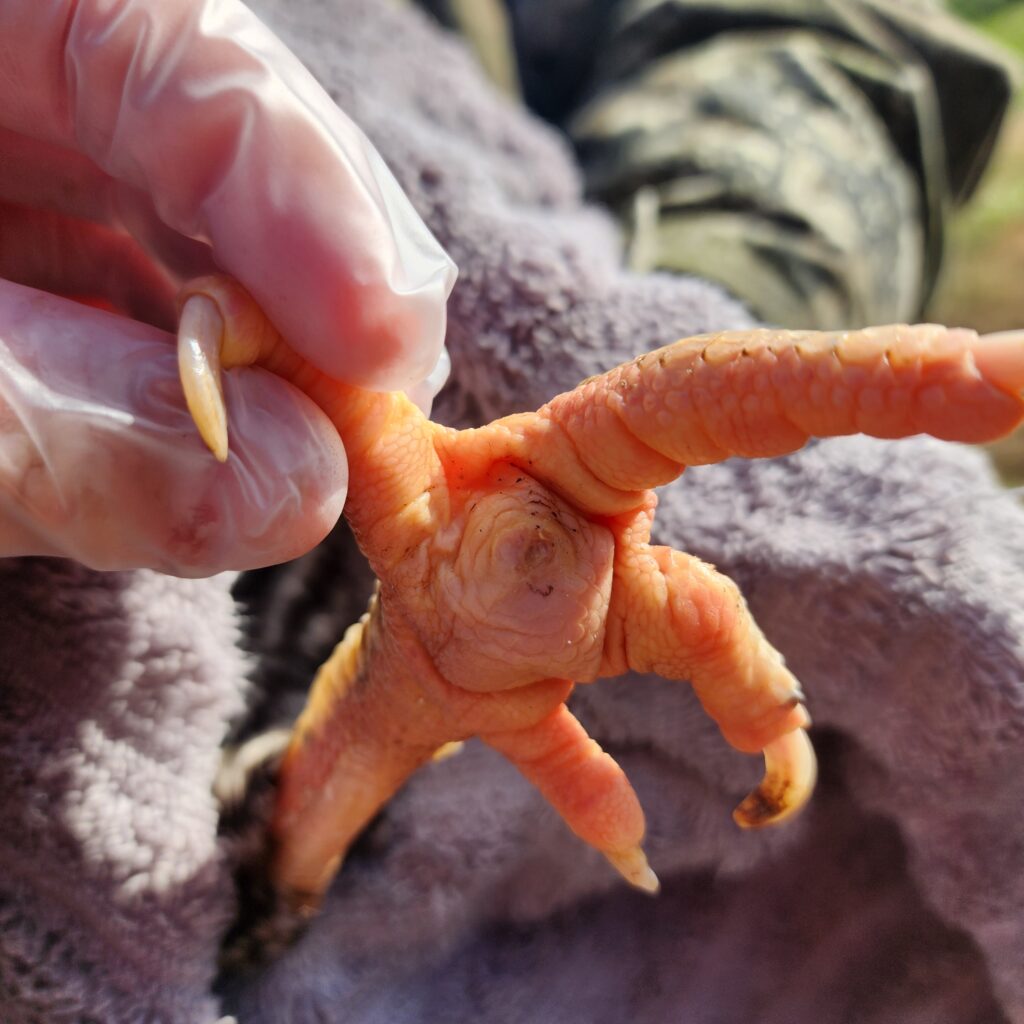
- A bag of Epsom salts for soaking feet with bumblefoot or helping egg bound hens if recommended by your vet.
- A tiny container of coconut oil or petroleum jelly for frostbite or scaly leg mite care.
- A chicken saddle to protect feathers from picking.
These are items I add once I have the basics stocked.
How to Use Your Chicken First Aid Kit the Right Way
Having the right stuff is only half the battle. Its also about knowing when and how to use it.
- Every time you use something write down what you did and how the chicken responded. This helps you (and your vet) if the problem comes back.
- Dont apply anything with painkillers because many common human medications are toxic to chickens. Stick with products made for poultry or vet approved.
- If you are ever unsure about a medicine or if a chicken is seriously sick seek veterinary care. Having vet contact info in your kit is a must. I know that for my area, poultry vets are hard to find. There are many online vets that can help.
My Personal Flock Story
I remember one summer my little Polish crested (Lady Grantham) got pecked pretty bad by a bully dominant hen. Her beautiful feathers on her head were getting pulled out and she was bleeding. I grabbed my kit sprayed the wound with saline and antimicrobial spray then wrapped her feathers gently so she could see well and the wound was protected. Within a couple days she was back eating like normal and running with the rest of the flock in her normal LG way. That moment cemented for me how invaluable this kit truly is.

Final Thoughts
Building your chicken first aid kit is one of the most loving things you can do for your flock. You don’t need to buy everything at once and you can grow your kit as your experience grows. Start with the basics and add what feels right for you.
Your chickens are counting on you to be prepared and confident when they need care. With this kit and a little know how you can give them the best chance at quick healing and happy pecking around the yard!
I hope this guide was helpful to you friend!
XO, Bri
More Backyard Chicken Care Tips for Healthy, Happy Hens
If you are raising backyard chickens and want to feel confident in caring for your flock year round, these helpful guides will walk you through everything from daily chicken care routines to common health problems and beginner friendly chicken keeping tips.


More Simple Homesteading Tips for a Cozy, Intentional Home
If you love learning practical homesteading skills and creating a more self sufficient, cozy home, these posts will help you grow in confidence from the kitchen to the garden and everywhere in between.


Let’s Stay Connected!
For more backyard chicken tips, from scratch recipes, and simple homesteading inspiration, come follow along on my other platforms where I share real life updates and practical encouragement throughout the week.