10 Best Flowers for Pollinators in Vegetable Gardens (Zones 6b–7a)

A productive vegetable garden depends on more than good soil, healthy plants, and consistent watering. One of the most overlooked pieces of a successful garden is pollination.
Without pollinators like bees, butterflies, and other beneficial insects, many vegetables simply won’t set fruit the way they should. That means fewer squash, fewer cucumbers, fewer tomatoes, and a lot of frustration when everything looks like it should be working but isn’t.
The good news is that you can support your vegetable garden naturally by adding the right flowers nearby. Certain blooms are especially effective at attracting and supporting pollinators, and they can make a real difference in your harvest.
In this post, you’ll find 10 of the best flowers for pollinators in vegetable gardens for zones 6b to 7a. These are easy to grow, reliable, and perfect for weaving into beds, borders, and garden edges.
A Quick Personal Story
When I first started growing my vegetable garden, I was equal parts excited and nervous. I did not grow up gardening, so most of what I learned came from trial, error, and a lot of guessing.
One of the first crops I tried growing was spaghetti squash. We eat it often, and I loved the idea of watching the vines spread across the garden. Everything looked like it was going perfectly. The vines were healthy, the plant flowered beautifully, and it honestly felt like I was doing everything right.
But I never got any squash.
After a lot of confusion and research, I finally realized the problem likely wasn’t the plant at all. It was pollination. The flowers were not being properly pollinated, and without that step, the plant could not produce fruit.
Years later, I volunteered at a community garden and noticed something interesting. Alongside the vegetables, they planted flowers throughout the beds. I assumed it was just for beauty, but I quickly learned there was a much deeper reason.
Those flowers were there to attract pollinators.
That was the moment it clicked for me. Bees and beneficial insects are not just part of the garden. They are essential to it. Since then, I always make sure my vegetable gardens include flowers that support pollination from the very beginning.
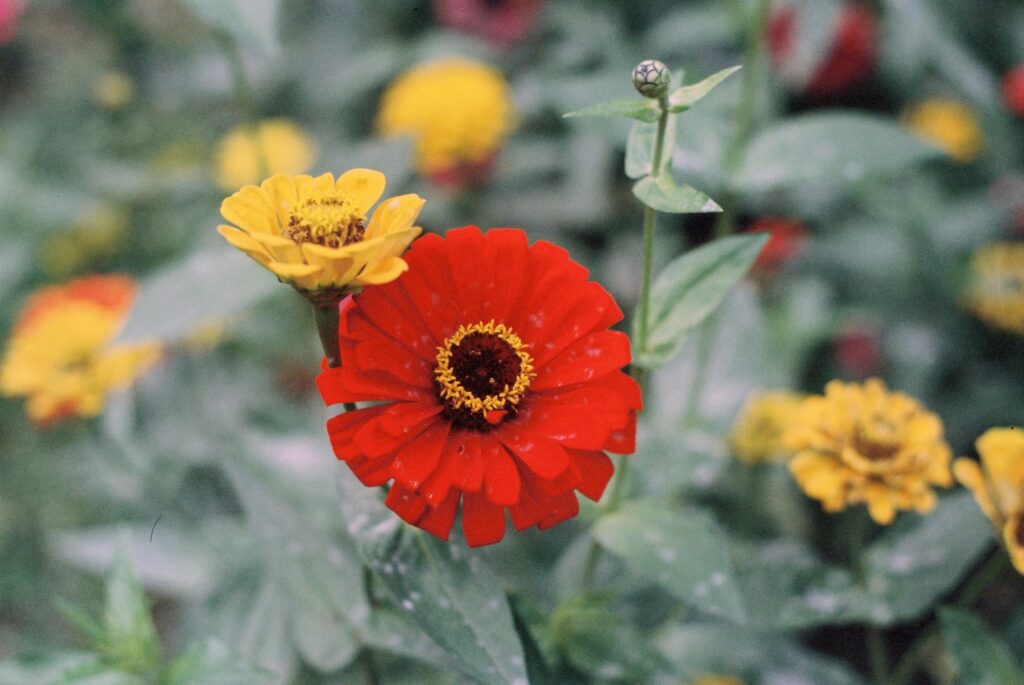
1. Zinnias
Zinnias are one of the easiest and most reliable pollinator flowers you can grow.
What they are: Bright, long-blooming annual flowers that attract bees and butterflies all summer.
Planting guide:
- Sow depth: 1/4 inch
- Spacing: 6 to 12 inches apart
- Sun: Full sun
- When to plant: After last frost
What they need to thrive:
Well drained soil and regular deadheading to keep blooms coming.
Where to plant:
Along garden borders or tucked between vegetable rows.
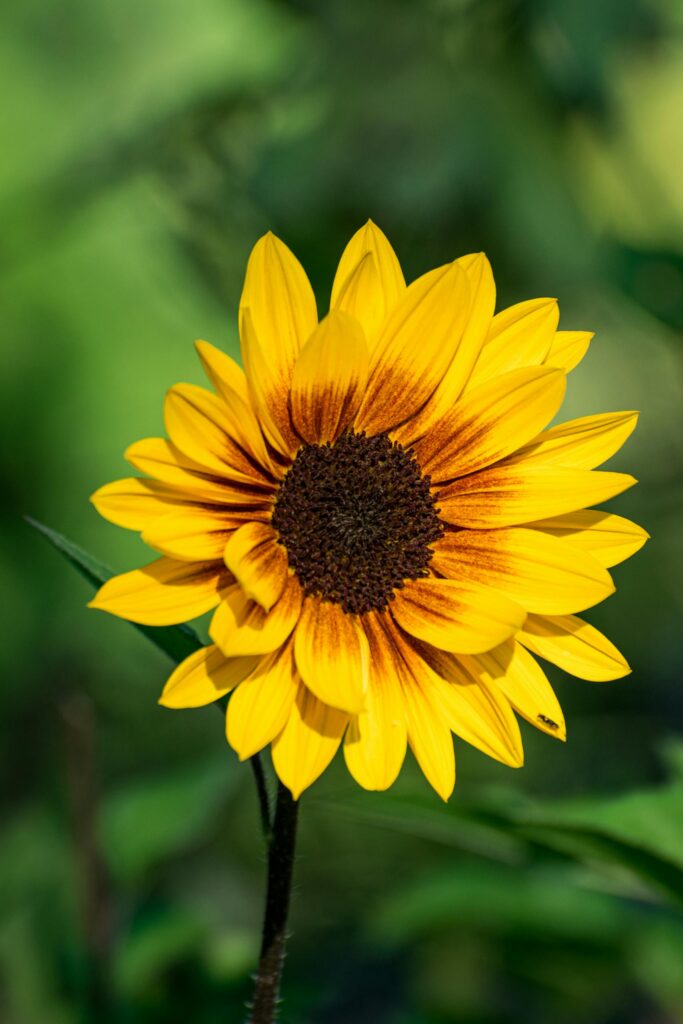
2. Sunflowers
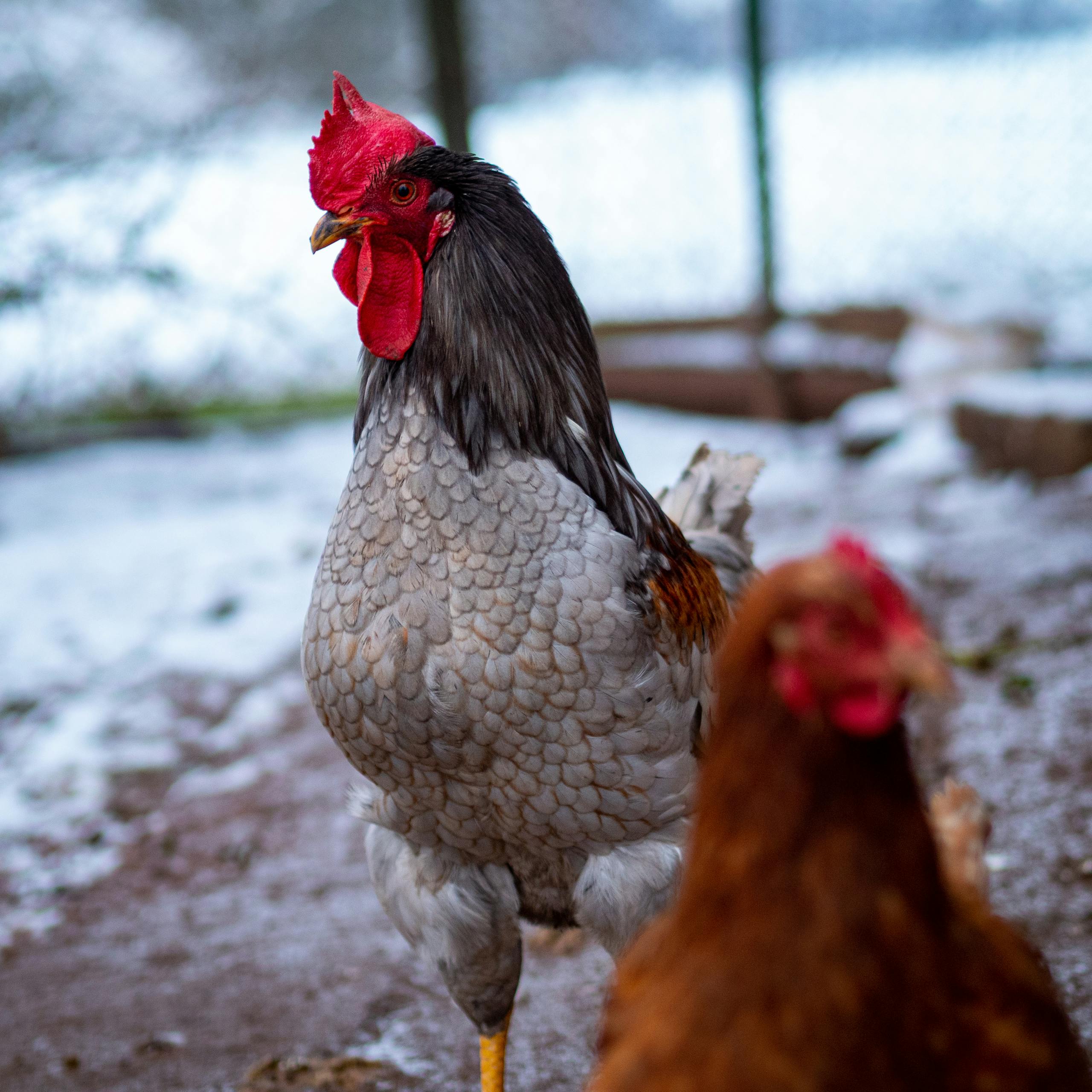
Sunflowers are a powerhouse for pollinators and add height and structure to your garden. This flower is a favorite among my backyard chickens…they seem to plant at least one of these every year! 😅
What they are: Tall annual flowers with large seed heads that attract bees.
Planting guide:
- Sow depth: 1 inch
- Spacing: 6 to 18 inches depending on variety
- Sun: Full sun
- When to plant: Direct sow after frost
What they need:
Deep watering and good soil, especially while establishing.
Best placement:
North side of garden beds so they do not shade vegetables.
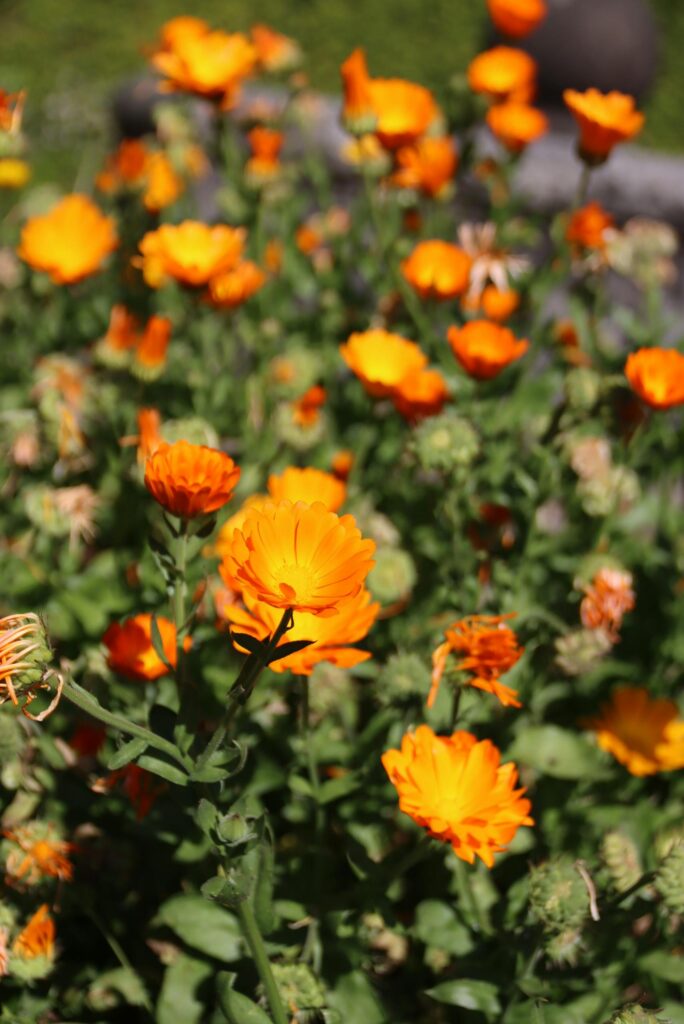
3. Calendula
Calendula is both beautiful and useful in the garden.
What they are: Edible, medicinal flowers that bloom in cooler weather.
Planting guide:
- Sow depth: 1/4 inch
- Spacing: 8 to 12 inches
- Sun: Full sun to partial shade
- When to plant: Early spring or fall
What they need:
Light, well draining soil and occasional deadheading.
Best placement:
Edges of vegetable beds, especially near leafy greens.
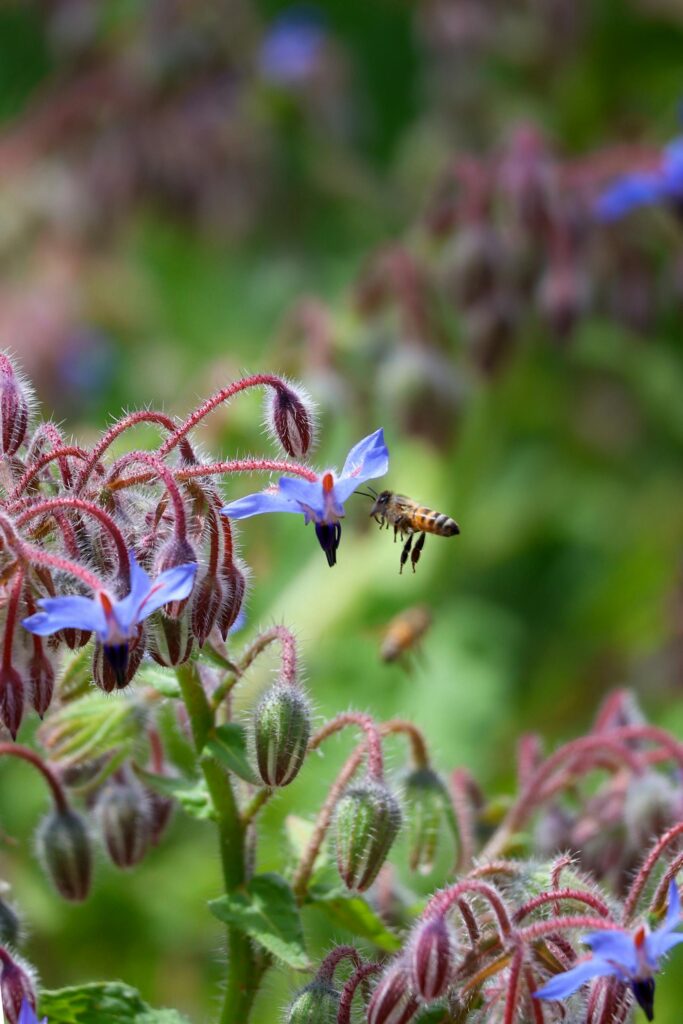
4. Borage
Borage is one of the best pollinator magnets you can grow!
What it is: A fast growing herb with blue star shaped flowers that bees love.
Planting guide:
- Sow depth: 1/2 inch
- Spacing: 12 to 18 inches
- Sun: Full sun to partial shade
- When to plant: Direct sow in spring
What it needs:
Minimal care once established.
Best placement:
Near tomatoes, squash, and cucumbers.
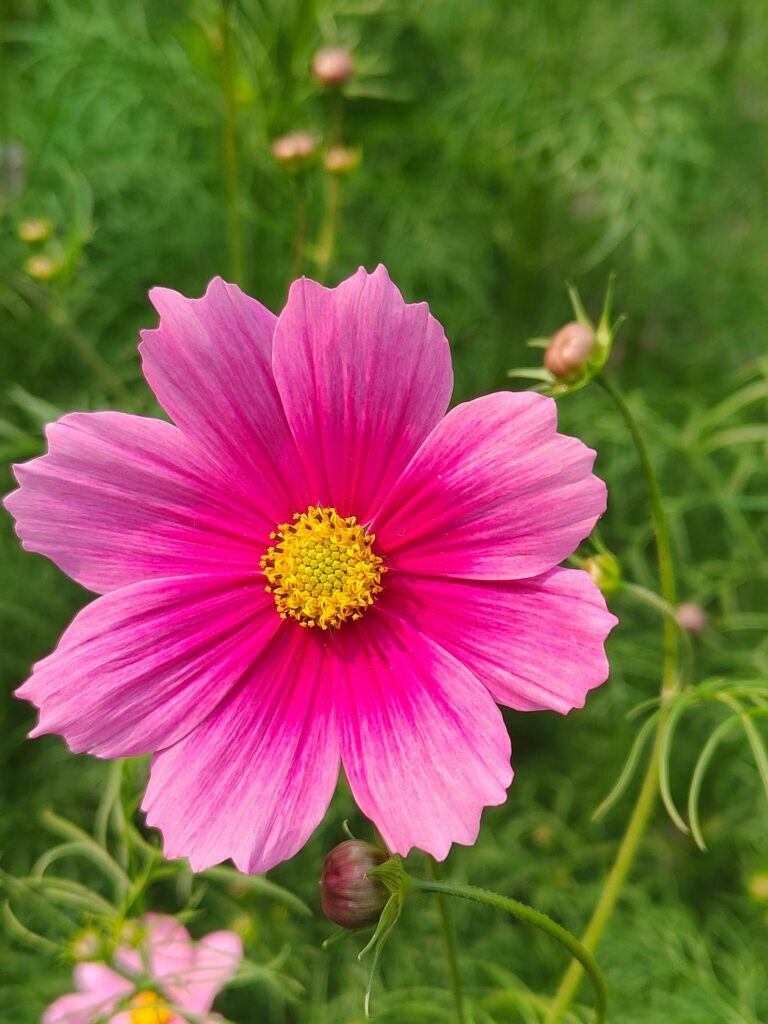
5. Cosmos
Cosmos are airy, delicate flowers that bloom for months.
What they are: Tall, daisy like flowers that attract butterflies and bees.
Planting guide:
- Sow depth: 1/4 inch
- Spacing: 12 to 18 inches
- Sun: Full sun
- When to plant: After frost
What they need:
Poor to average soil actually encourages more blooms.
Best placement:
Back borders or scattered through vegetable beds.
6. Lavender
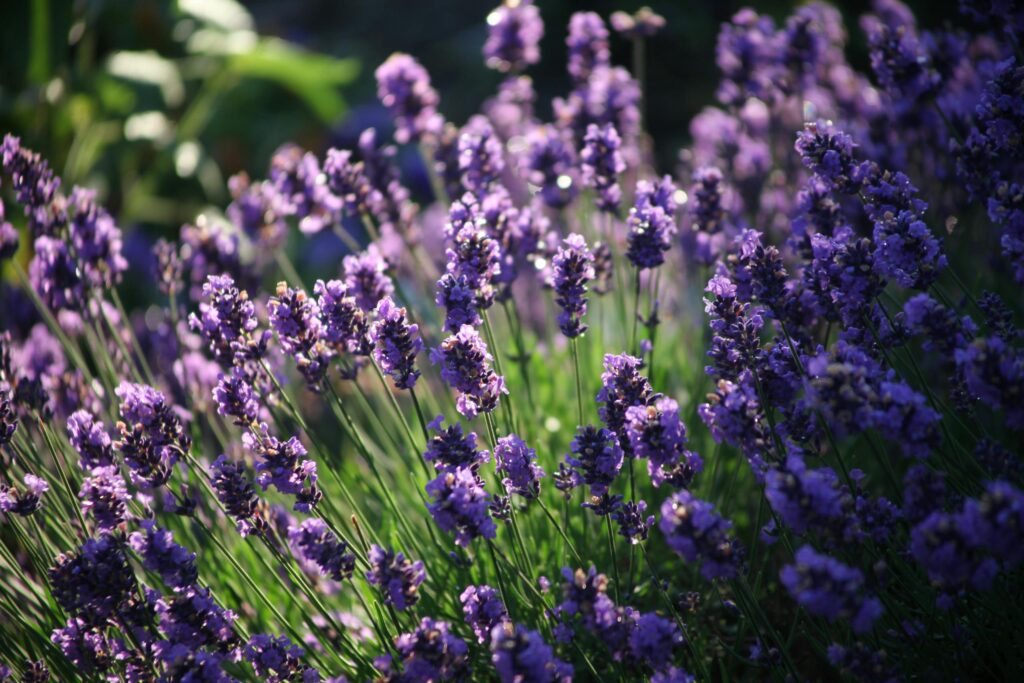
Lavender brings both fragrance and pollinators into the garden. It is one of my personal favorites! I like to harvest these buds and use them to make products around the house like this homemade natural laundry detergent.
What it is: A perennial herb with purple spikes that bees love.
Planting guide:
- Depth: Plant crown at soil level (not buried)
- Spacing: 18 to 24 inches
- Sun: Full sun
- When to plant: Spring or fall
What it needs:
Well drained soil is critical. It does not like wet roots.
Best placement:
Garden edges or raised beds with good drainage.
7. Bee Balm
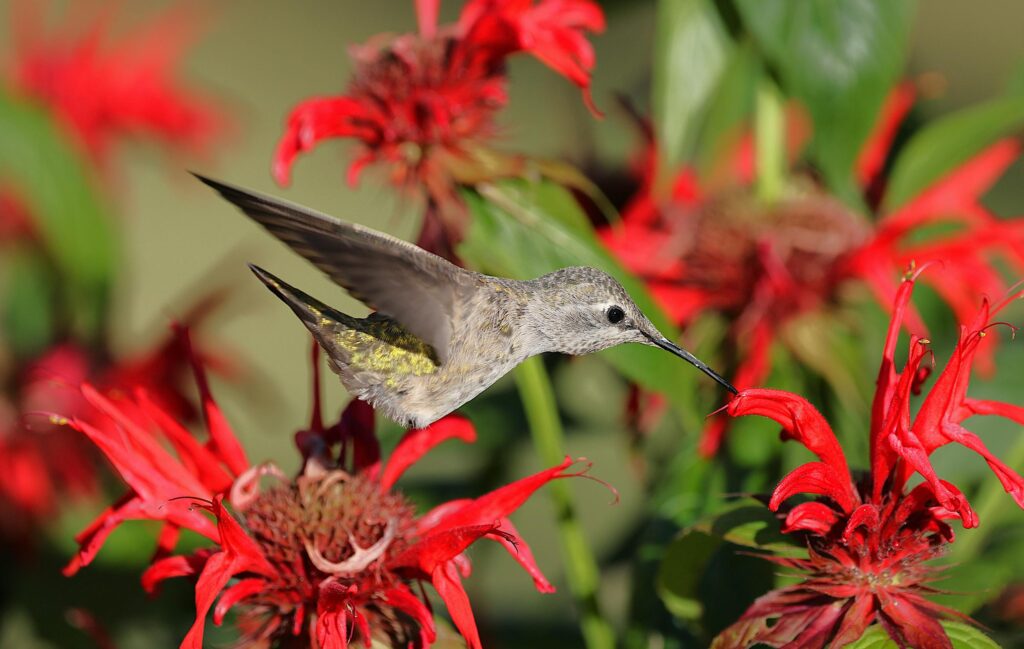
Bee balm is exactly what the name suggests!
What it is: A native perennial with spiky blooms that attract bees, butterflies, and hummingbirds.
Planting guide:
- Depth: Same depth as nursery pot
- Spacing: 18 to 24 inches
- Sun: Full sun to partial shade
- When to plant: Spring or fall
What it needs:
Consistent moisture and room to spread.
Best placement:
Near vegetable beds but not overcrowded areas.
8. Marigolds
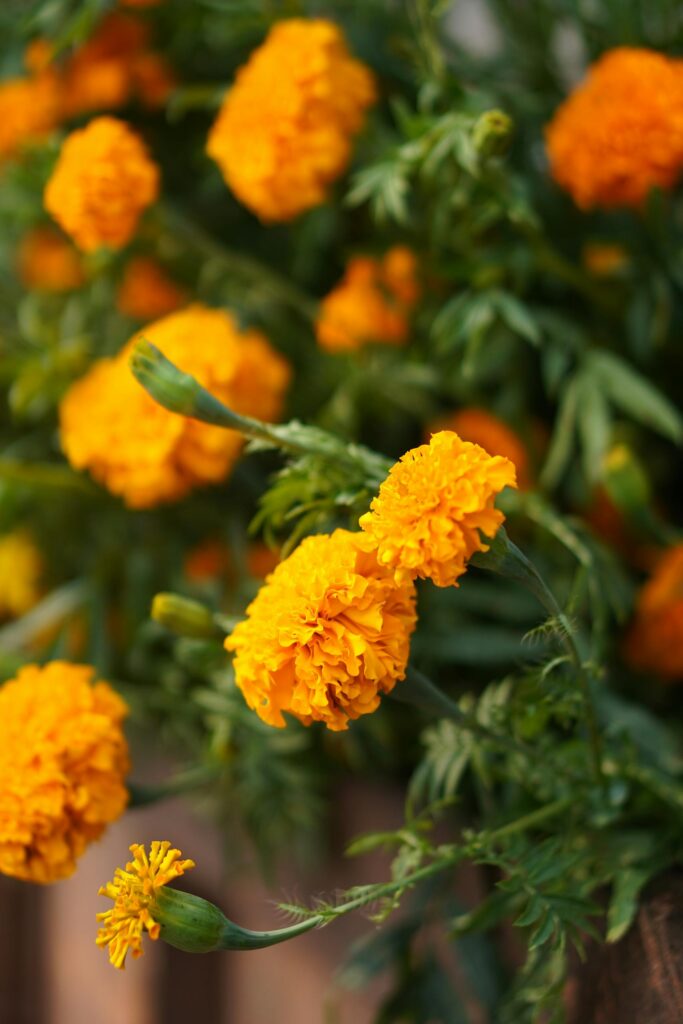
Marigolds are a garden staple for a reason.
What they are: Hardy annuals that attract pollinators and help deter pests.
Planting guide:
- Sow depth: 1/4 inch
- Spacing: 6 to 12 inches
- Sun: Full sun
- When to plant: After frost
What they need:
Very low maintenance and tolerant of most soils.
Best placement:
Throughout vegetable beds for color and pest support.
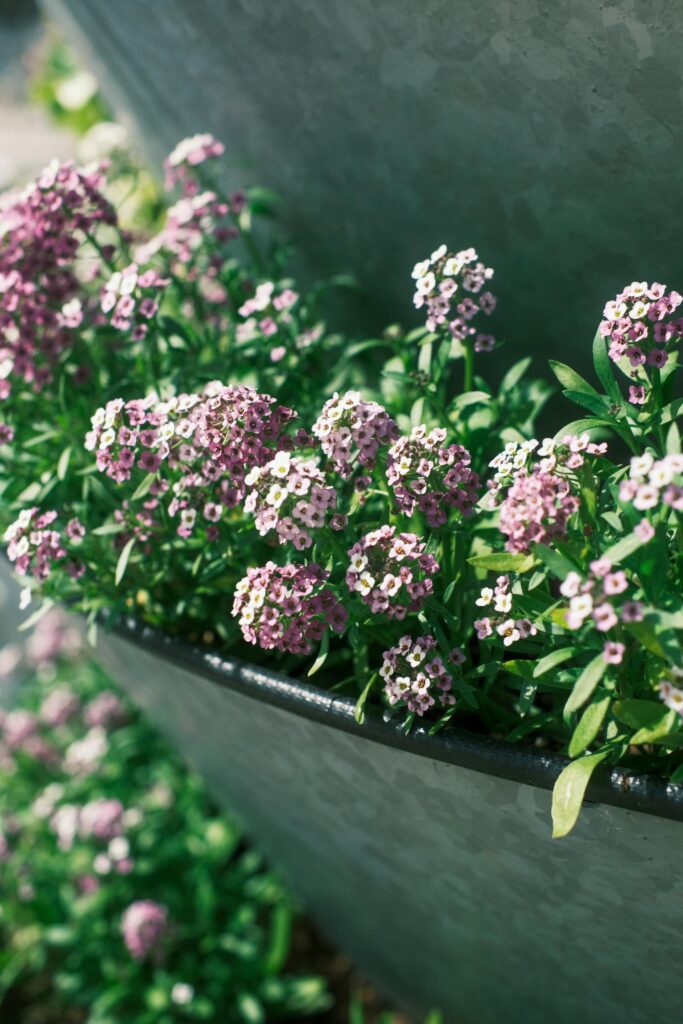
9. Alyssum
Alyssum is small but incredibly powerful in the garden ecosystem. Plus, they are the most precious little flowers.
What it is: A low growing flower that attracts tiny beneficial insects.
Planting guide:
- Sow depth: surface sown or barely covered
- Spacing: 6 to 8 inches
- Sun: Full sun to partial shade
- When to plant: Early spring or fall
What it needs:
Regular watering for best bloom production.
Best placement:
As a living mulch between garden rows.
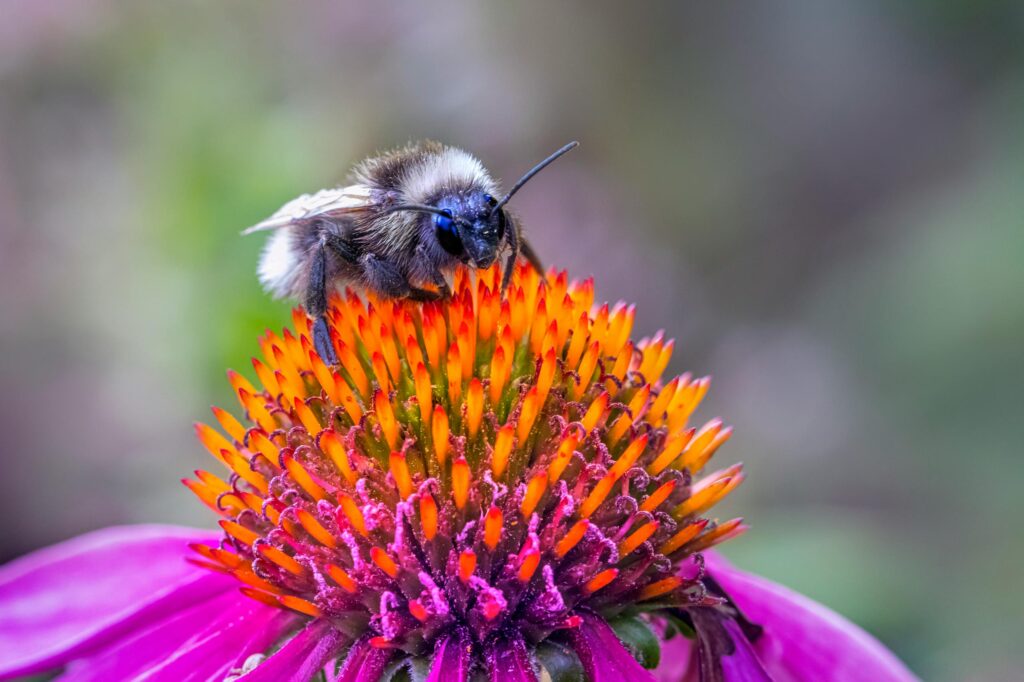
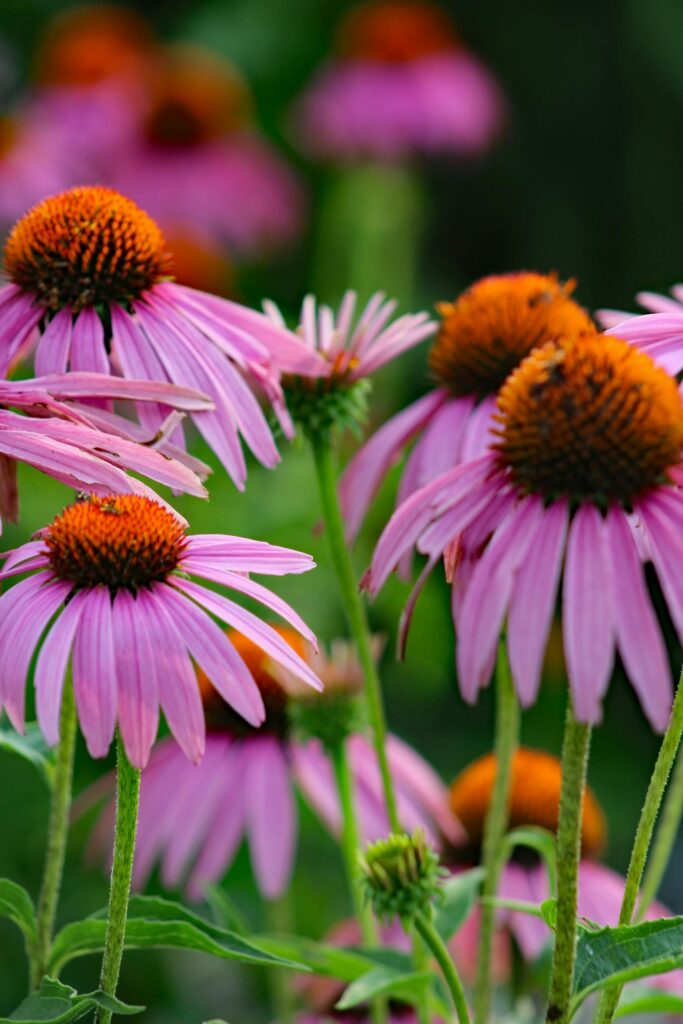
10. Echinacea (Coneflower)
Echinacea is a strong perennial that supports pollinators long term. Bonus: It also makes for a great tea!
What it is: A native wildflower with long lasting summer blooms.
Planting guide:
- Depth: 1/4 inch (seed) or same depth as transplant
- Spacing: 18 to 24 inches
- Sun: Full sun
- When to plant: Spring or fall
What it needs:
Once established, it is very drought tolerant.
Best placement:
Perennial garden edges or dedicated pollinator sections.
Final thoughts
A vegetable garden is never just about vegetables. It is a living system, and pollinators are a huge part of what keeps it all working.
When you start thinking of flowers not as decoration but as partners in your garden, everything begins to change. You notice more bees, more butterflies, and often, a better harvest without changing anything else.
Even adding just a few of these flowers can make a noticeable difference.
I am so happy that Spring is among us again friend. I hope that this post helps you plan your garden this year and that you reap a bountiful harvest!
XO, Bri
More Gardening Guides You Might Enjoy
If you’re planning out your vegetable garden this season, there are a few other posts that can help you build a stronger, more productive growing space. These go hand in hand with attracting pollinators and setting your garden up for a healthier harvest.


Seasonal Homestead Inspiration
Around here, gardening is just one part of a slower, more intentional rhythm at home. If you enjoy weaving your garden work into the seasons and everyday homestead life, these posts may inspire you next!

Let’s Stay Connected!
If you enjoyed this post, I’d love to keep in touch beyond the garden! You can find me sharing more simple homestead moments, seasonal inspiration, and everyday life across my other platforms. I would love to see you there!